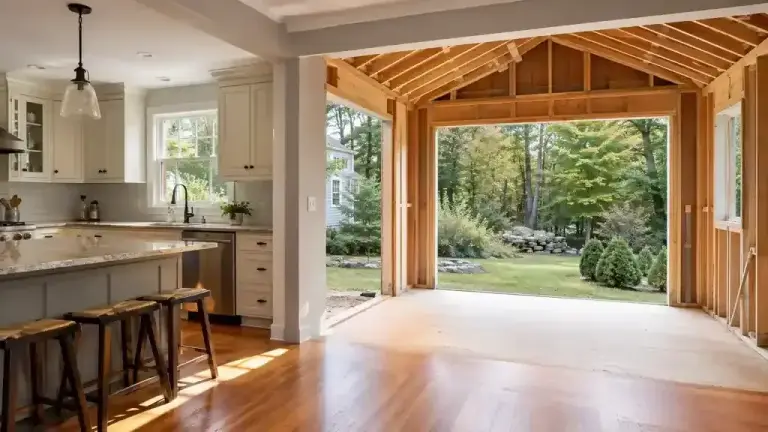
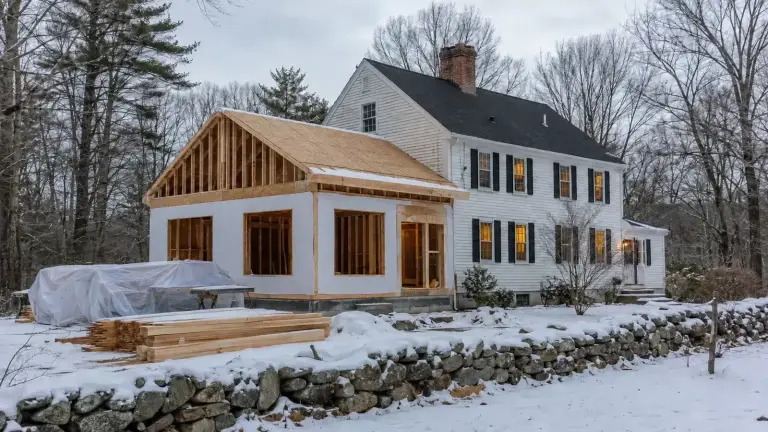
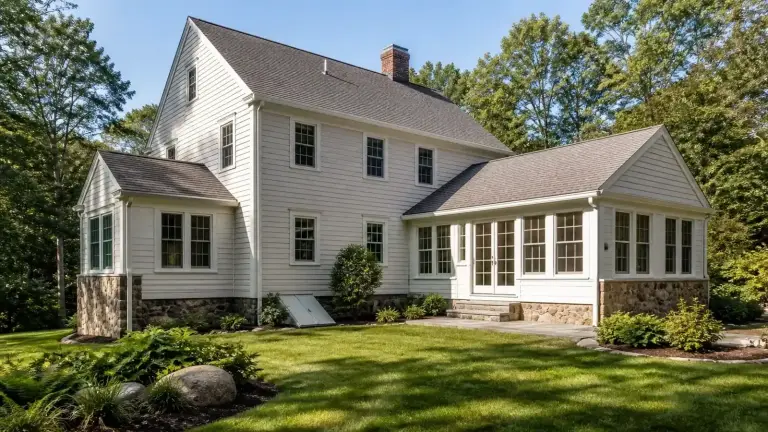
The cost to bump out a living room is usually $5,000 to $35,000, or $85 to $200 per square foot, according to HomeGuide's bump-out cost guide. A bump-out is a small extension that pushes one wall of an existing room out a few feet. It makes the room bigger instead of adding a new room, which is why it costs less than a full addition.
Norman Builders is a design-build company based in Newton, NH, building home additions in the Merrimack Valley, the North Shore, the Seacoast and southern New Hampshire since 2007. This guide covers what a living room bump-out costs, what moves the price, how far you can go without a foundation, and when a larger addition makes more sense.
Understanding the Cost to Bump Out Living Room Space
Average Cost Breakdown
HomeGuide's national figures for a bump-out addition, including labor and materials:
- Typical range: $5,000 to $35,000.
- National average: about $20,000.
- Per square foot: $85 to $200.
- Low and high: HomeGuide reports projects from about $1,700 for a very small bump-out to about $57,000.
HomeGuide also prices small bump-outs by size, for jobs with no electrical, heating or plumbing work:
| Bump-out size | Average total cost (HomeGuide) |
|---|---|
| 2 x 10 feet | $1,700 to $4,000 |
| 3 x 10 feet | $2,600 to $6,000 |
| 3 x 15 feet | $3,800 to $9,000 |
| 4 x 10 feet | $3,400 to $8,000 |
| 4 x 15 feet | $5,100 to $12,000 |
Those size figures are for a basic shell. A living room bump-out that carries new windows, an outlet circuit, heat and finished trim will cost more than the table shows, which is why the typical project total lands higher.
Factors Influencing Cost
- Foundation or cantilever. HomeGuide names size and the type of support as the two biggest cost factors. A short bump-out can often hang off the existing floor framing. A longer one needs footings and a foundation wall.
- Room type. Living room and bedroom bump-outs usually cost less than kitchen and bathroom bump-outs, because they rarely need plumbing or new fixtures.
- First or second floor. HomeGuide says a second-floor bump-out costs more because of the extra time and safety work.
- Roof. Some bump-outs fit under the existing roof overhang. Others need their own small roof tied into the house.
- Windows. A bump-out often exists to bring in light. HomeGuide puts window installation at $500 to $2,000 per window.
- Permits. HomeGuide puts construction permits for a bump-out at $500 to $2,000. In Massachusetts and New Hampshire, your town's building department sets the fee.
- Matching the house. Siding, trim, roofing and paint that match the original house are part of the job, and they are what keeps a bump-out from looking added on.
Benefits of a Living Room Bump Out
Functional Improvements
A few feet changes how a living room works. A 3-foot bump-out along a 12-foot wall adds 36 square feet, enough to move a sofa off a walkway, fit a reading chair by a window, or make room for a piano or a built-in bench. The furniture layout often matters more than the raw square footage, so plan the bump-out around where the furniture will go.
Aesthetic Improvements
Because most living room bump-outs are built to bring in light, they are often framed around a large window or a bay. Done well, the new section reads as part of the original house from the street. That takes matching rooflines, siding and trim, the same thing we did on our Amesbury addition, where we matched the rooflines, siding and window proportions so the new rooms would feel natural.
Less Disruption Than a Full Addition
HomeGuide puts a bump-out at about 1 to 4 weeks of construction, with small cantilevered bump-outs on the short end. Only one exterior wall opens up, so the rest of the house stays usable. For comparison, our renovation process guide puts a full home addition at 3 to 9 months.
Construction Considerations
Cantilevered Bump-Outs
A cantilevered bump-out extends the existing floor joists past the foundation wall, so no new footings are needed. HomeGuide says cantilevers typically top out at about 2 to 3 feet. How far your house can go depends on the size and spacing of the joists, which way they run, and what load the new wall and roof put on the end. If the joists run parallel to the wall you want to push out, a cantilever is much harder and an engineer will usually suggest footings instead.
Bump-Outs on a Foundation
Past a couple of feet, the bump-out needs its own support. In our area that means footings below the frost line, because frozen ground heaves shallow footings. Ledge, a slope or a nearby septic system or well can add excavation cost, so check the site early.
Permits and Regulations
A bump-out changes the footprint and the structure, so it needs a building permit. Massachusetts and New Hampshire base their residential codes on the International Residential Code with state amendments, and your town's zoning sets how close the new wall can come to the property line. A bump-out toward a side yard can run into a setback that a rear bump-out would not.
Structural Integrity
Opening an exterior wall means the wall's load has to go somewhere. A header over the new opening carries the floor or roof above, and the new section has to tie into the existing framing, roof and weather barrier without leaks. This is the part of the job to price carefully and not shortcut.
Bump-Out or Full Addition?
A bump-out makes one room bigger. If what you actually need is another room, a bedroom, a family room or a bigger kitchen, a full addition is the honest answer even though it costs more. Our bump-out vs. full addition guide compares the two, and our home addition cost guide covers full addition prices. Some homeowners find the space they need by opening up interior walls instead of pushing the exterior wall out at all.
From Our Projects
We do not have a stand-alone living room bump-out case study to share, so we will not quote a bump-out price from our own work. These projects show the two directions homeowners take when a living area feels too small. The budget is the band printed on each project page and covers the whole scope.
- First-floor renovation, Haverhill, MA (completed 2026, budget band $250,000): we removed interior walls for an open plan and enlarged window openings. The homeowners chose a full renovation over moving.
- Coastal-inspired whole-home renovation, Andover, MA (completed 2026, budget band $200,000): we opened the walls and sightlines between the kitchen, dining room and family room.
- Two-bedroom addition and primary suite, Amesbury, MA (completed 2025, budget band $700,000): when the family needed new rooms, not a bigger one, they added on instead of moving.
Starting small and adding to the plan is common. Roland M. of North Andover wrote about his addition with us: "What I liked, especially, is that we started with a minimum design at a very reasonable cost. Then we were able to work with you to add features and modifications as we went along and our ideas changed."
Frequently Asked Questions about Living Room Bump Outs
How much does bumping out a room cost?
According to HomeGuide, a bump-out addition costs $85 to $200 per square foot, or $5,000 to $35,000 for most projects, with a national average of about $20,000. A small cantilevered living room bump-out with no plumbing sits near the low end. A larger bump-out on a new foundation, with windows, heat and a new roof, moves toward the top of the range. These are national figures, not Norman Builders prices.
Is a bump-out worth it?
It is worth it when a few feet solves a real layout problem: a sofa that blocks a walkway, no room for a reading corner, or a room that only works for half the family. HomeGuide notes that bump-outs can cost more per square foot than a larger addition, because the setup, permit, demolition of the exterior wall and roof tie-in cost about the same whatever the size. If you need a whole new room, a full addition is usually the better value.
How far can you bump-out without foundation?
HomeGuide puts the limit for a cantilevered bump-out, one that hangs off the existing floor framing with no new footings, at about 2 to 3 feet. The real limit for your house depends on the size, spacing and direction of the existing floor joists and on what the new space has to carry, so an engineer or the building code tables set it. A bump-out on its own footings can go as far as your town's setbacks and building code allow. In New England, new footings have to go below the frost line.
Planning a Living Room Bump-Out?
Our design-build process starts with defining the budget and an estimated project cost, so you know whether a bump-out or a larger addition fits before design goes further. See our home additions page, browse our addition projects, or request an estimate. You can also call Norman Builders at (978) 833-7337.