

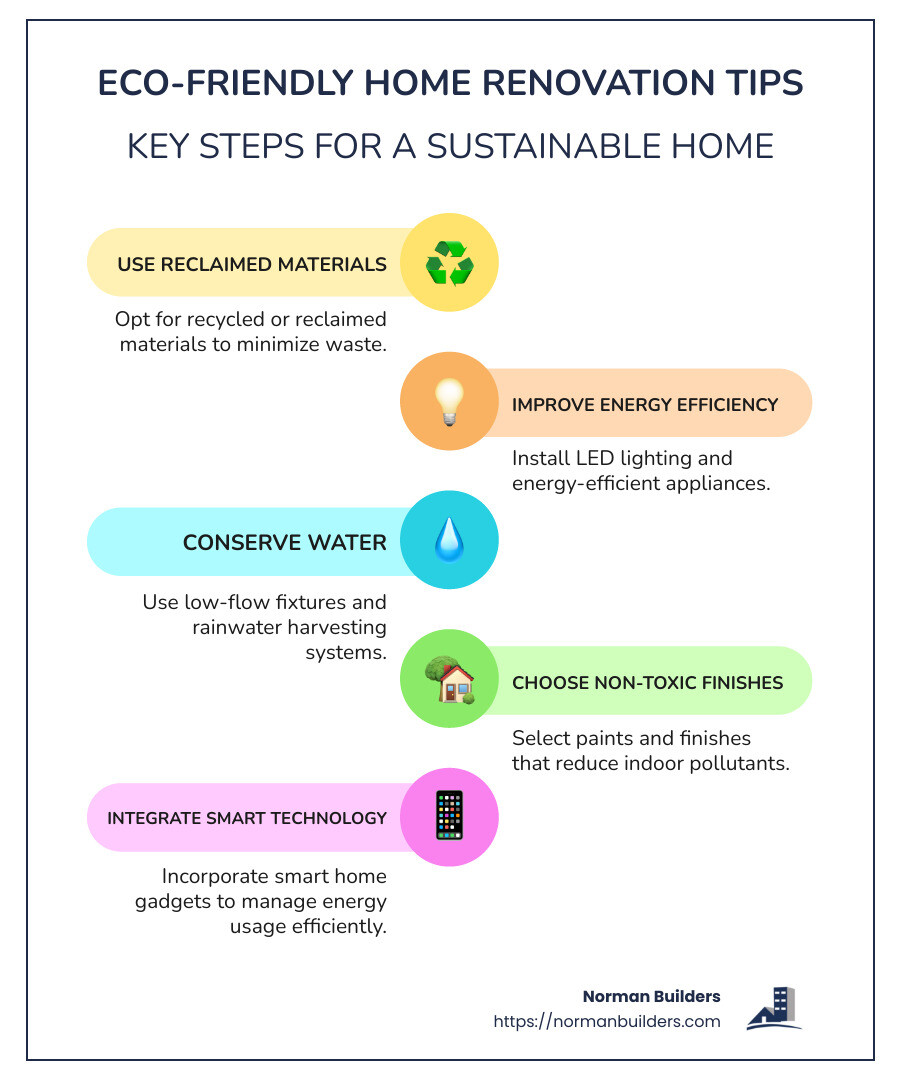
Eco-friendly home renovations are gaining traction as more homeowners seek to reduce their environmental footprint. These renovations focus on sustainable home building techniques and using eco-friendly materials to create a healthier living environment. If you’re curious about what makes a home renovation eco-friendly, here’s a quick answer:
As these principles become more mainstream, it’s clear that creating a sustainable and environmentally-friendly home is not just a trend, but a necessity.
I’m Ryan Norman, founder of Norman Builders. With a wealth of experience in real estate and construction, we’ve helped numerous homeowners in changing their homes with Eco-friendly home renovations. At Norman Builders, we stand out for our commitment to craftsmanship and customer satisfaction, ensuring your renovation journey is as smooth as possible.
Please note: Our services are exclusively available in Massachusetts, specifically in Andover, MA, the North Shore, and New Hampshire, covering the Seacoast and Southern NH regions.
Simple Eco-friendly home renovations word guide:
– Home renovation trends 2023
– average cost to remodel a house
– house design for renovation
Changing your home with eco-friendly home renovations is a smart choice that benefits both the environment and your wallet. Let’s explore three key aspects of green remodeling: energy efficiency, green materials, and reclaimed resources.
Energy efficiency is at the heart of eco-friendly renovations. By reducing energy consumption, you not only save money but also reduce your carbon footprint. Here are some simple yet effective strategies:

Green remodeling involves using sustainable materials and practices to reduce environmental impact. It’s about making choices that are good for the planet and your home.
Using reclaimed materials is a great way to add character to your home while being environmentally conscious. Reclaimed wood, for example, can be used for flooring, countertops, or accent walls, giving your home a unique, rustic look.
By focusing on these areas, you can make your home more sustainable, reduce your environmental impact, and enjoy long-term savings.
Please note: Our services are exclusively available in Massachusetts, specifically in Andover, MA, the North Shore, and New Hampshire, covering the Seacoast and Southern NH regions.
When it comes to eco-friendly home renovations, choosing the right materials is crucial. Sustainable materials not only help the environment but also add unique character to your living space. Let’s explore some popular options: recycled materials, bamboo, cork, and reclaimed wood.
Recycled materials are a cornerstone of sustainable renovation. They help reduce waste and conserve resources. Here are some examples:
Bamboo is a fast-growing grass that regenerates quickly, making it an ideal sustainable material. It’s versatile and can be used for:
Cork is another excellent choice for eco-friendly renovations. Harvested from the bark of cork oak trees, it’s renewable and biodegradable.
Reclaimed wood is not just a sustainable option; it’s a way to add character and history to your home.
By integrating these sustainable materials into your renovation projects, you contribute to a healthier planet and create a distinctive home environment.
Please note: Our services are exclusively available in Massachusetts, specifically in Andover, MA, the North Shore, and New Hampshire, covering the Seacoast and Southern NH regions.
Upgrading your home with energy-efficient solutions is a smart move for both the environment and your wallet. Let’s explore some key areas: LED light bulbs, insulation, and solar panels.
Switching to LED light bulbs is one of the simplest ways to improve energy efficiency in your home. These bulbs use up to 75% less energy than traditional incandescent bulbs and last 25 times longer. This means you’ll save on both energy bills and replacement costs over time. Plus, LEDs are available in various colors and designs, so they fit any room aesthetic.
Proper insulation is essential for maintaining a comfortable indoor climate and reducing energy waste. In older homes, insulation may be insufficient or deteriorated. Upgrading insulation in the attic, walls, and floors can significantly cut heating and cooling costs. Homeowners spend around $3,000-10,000 to upgrade insulation, but this cost can be recouped through energy savings over time.
For those considering this upgrade, checking if your state offers programs or incentives for insulation improvements is worthwhile. These programs can sometimes cover assessment costs or provide rebates for the upgrades.
Installing solar panels is a significant step towards reducing your reliance on traditional energy sources. Solar panels harness the sun’s power, providing clean energy for your home and potentially lowering your electricity bills.
The Inflation Reduction Act offers tax credits covering up to 30% of the cost of installing rooftop solar panels. This makes solar energy an attractive option for many homeowners. Additionally, you might earn credits from your local energy company for unused energy, further offsetting costs.

Solar panels have become increasingly popular, and you can often see them in your neighborhood. Engaging with neighbors who have made the switch can provide insights and reassurance.
By focusing on these energy efficiency upgrades, you can reduce your carbon footprint and enjoy long-term financial benefits. Up next, we’ll explore how water conservation techniques can further improve your home’s eco-friendliness.
Please note: Our services are exclusively available in Massachusetts, specifically in Andover, MA, the North Shore, and New Hampshire, covering the Seacoast and Southern NH regions.
Saving water at home is easier than you might think. Let’s explore two effective ways: low-flow fixtures and rainwater harvesting.
Low-flow fixtures are a simple yet powerful way to conserve water. These include faucets, showerheads, and toilets designed to use less water without sacrificing performance. By installing low-flow fixtures, households can reduce water usage by up to 60%. This not only helps the environment but also significantly lowers water bills.
For example, a low-flow showerhead can save a family of four about 2,900 gallons of water each year. Imagine the difference that makes over time!
Rainwater harvesting is another excellent method to make your home more eco-friendly. By using a simple barrel, you can collect rainwater from your roof and use it for various purposes, such as watering plants or washing your car. This reduces the demand on municipal water systems and minimizes your water costs.
A basic rainwater harvesting system can be set up with minimal effort and cost, making it accessible for most homeowners. It’s a great way to use Mother Nature’s resources while contributing to water conservation efforts.
By incorporating these water conservation techniques, you can make a meaningful impact on both your household expenses and the environment. Next, we’ll dig into enhancing indoor air quality to further improve your home’s eco-friendliness.
Please note: Our services are exclusively available in Massachusetts, specifically in Andover, MA, the North Shore, and New Hampshire, covering the Seacoast and Southern NH regions.
Improving the air quality in your home is a key part of eco-friendly home renovations. Let’s explore three easy ways to breathe cleaner air: non-toxic paints, natural cleaning products, and indoor plants.
When painting your home, choose non-toxic, water-based paints. These paints have low or no volatile organic compounds (VOCs), which means fewer harmful chemicals in your air. VOCs can cause headaches and irritation, and long-term exposure may lead to more serious health issues. Non-toxic paints are safer for your family and better for the environment.
Switching to natural cleaning products is another simple step. Many store-bought cleaners contain harsh chemicals that pollute your indoor air. Instead, opt for products made from natural ingredients like vinegar, baking soda, and lemon juice. They clean effectively without releasing toxins, keeping your home fresh and safe.
Bring nature indoors with air-purifying plants. Plants like peace lilies and snake plants can absorb pollutants and improve air quality. They’re low-maintenance and add a touch of greenery to your space. Plus, they can boost your mood and reduce stress.
By focusing on these indoor air quality improvements, you can create a healthier and more sustainable living environment. Up next, we’ll explore smart home technology to improve your home’s efficiency and eco-friendliness.
Please note: Our services are exclusively available in Massachusetts, specifically in Andover, MA, the North Shore, and New Hampshire, covering the Seacoast and Southern NH regions.
Incorporating smart home technology into your house can make it more energy-efficient and eco-friendly. Let’s explore two key areas: energy-saving gadgets and smart appliances.
Modern homes are becoming smarter with gadgets that help save energy. Devices like smart thermostats allow you to control your home’s temperature from your phone. They learn your schedule and adjust heating or cooling, reducing energy use when you’re not home.
Smart lighting systems are another great addition. These systems let you control lights remotely and set schedules, ensuring lights are only on when needed. You can even use LED bulbs, which consume less energy and last longer than traditional bulbs.
Smart appliances are designed to optimize energy use. For example, smart refrigerators can adjust their settings based on usage patterns, reducing energy consumption. Smart washing machines and dishwashers can schedule cycles during off-peak energy hours, saving both energy and money.
These appliances often come with energy monitoring features, allowing you to track energy usage and make informed choices about your consumption. By integrating smart technology, you can significantly cut down on energy waste and lower your utility bills.
By adopting smart home technology, you’re not just making your home more convenient; you’re contributing to a more sustainable future. Next, we’ll answer some common questions about eco-friendly home renovations.
Please note: Our services are exclusively available in Massachusetts, specifically in Andover, MA, the North Shore, and New Hampshire, covering the Seacoast and Southern NH regions.
Changing your home into an eco-friendly haven can be simple and rewarding. Start by using reclaimed wood for furniture and flooring. It’s a sustainable choice that also adds character to your space. Opt for low VOC paints to improve indoor air quality and reduce harmful emissions. Consider bamboo flooring as it’s a renewable resource that grows quickly and is durable.
Eco-friendly construction methods focus on sustainability and efficiency. Green roofs, for example, are covered with vegetation to improve insulation and manage rainwater. Passive solar design is another method, utilizing the sun’s energy for heating and cooling without mechanical systems. Incorporating recycled materials in construction reduces waste and the need for new resources.
The initial cost of eco-friendly building might be higher, but it’s important to consider the cost efficiency over time. Energy savings from efficient insulation, solar panels, and smart appliances can significantly lower utility bills. Plus, the long-term benefits include a healthier living environment and increased property value. Investing in eco-friendly solutions is not just good for the planet; it can also be financially rewarding in the long run.
Please note: Our services are exclusively available in Massachusetts, specifically in Andover, MA, the North Shore, and New Hampshire, covering the Seacoast and Southern NH regions.
At Norman Builders, we pride ourselves on delivering personalized service and exceptional craftsmanship in every project. Our commitment to eco-friendly home renovations ensures that your home is not only beautiful but also sustainable.
From the moment you contact us, we work closely with you to understand your vision and needs. Our team of skilled professionals brings years of experience and expertise to each project, ensuring that every detail is handled with care and precision. We believe that a successful renovation is one that reflects your personal style while enhancing the functionality and sustainability of your home.
Our approach to eco-friendly renovations includes using sustainable materials like reclaimed wood and bamboo, and incorporating energy-efficient solutions such as LED lighting and improved insulation. These choices not only benefit the environment but also improve the comfort and value of your home.
By choosing Norman Builders, you’re investing in a future that values quality, sustainability, and personalized service. We are here to turn your dream home into a reality, with results that stand the test of time.
For more information on how we can transform your home with eco-friendly renovations, visit our Whole House Renovations page.
Please note: Our services are exclusively available in Massachusetts, specifically in Andover, MA, the North Shore, and New Hampshire, covering the Seacoast and Southern NH regions.

We specialize in high-quality home construction and remodeling services, delivering exceptional craftsmanship tailored to meet your vision and needs. Whether you’re planning a renovation, new construction, or a custom remodel, our experienced team is committed to exceeding expectations with precision, attention to detail, and reliable service.
Our service area includes the Merrimack Valley, North Shore, Seacoast, and Southern NH Areas. We take pride in the quality of our workmanship and our prompt professionalism.
Contact us today to bring your project to life!