

Design-build projects are construction delivery methods where one entity—the design-build team—works under a single contract with the project owner to provide both design and construction services. This integrated approach is changing the construction industry.
If you’re exploring design-build projects, here’s what you need to know:
Design-build isn’t a new concept—it actually traces back over four millennia to the “master builder” model. The beauty of design-build lies in its simplicity: one team, one contract, one unified workflow from concept through completion.
“Design-build is as much a mindset as a process, requiring all parties to act as a single integrated team,” notes the Design-Build Institute of America.
I’m Ryan Norman, founder of Norman Builders, and I’ve seen how design-build projects transform the construction experience by streamlining communication and reducing delays across our custom home and renovation projects throughout Massachusetts and New Hampshire.
Design build projects terminology:
– advantages of design build construction
– design and build contractors
– design build construction process
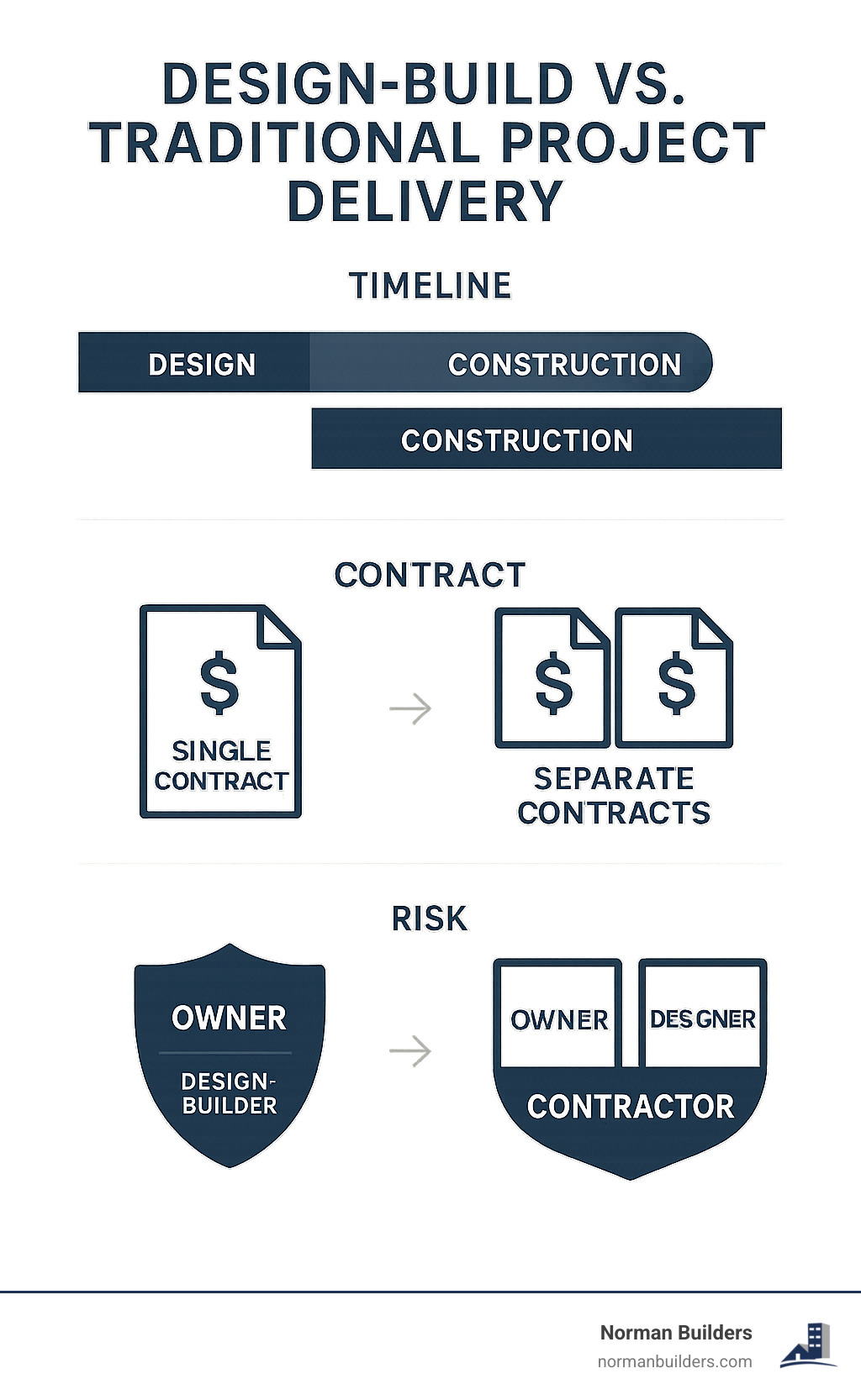
Design-build projects bring a refreshing simplicity to construction by uniting design and building under one roof. Think of it as having a single team captain responsible for your entire project from sketch to completion. Instead of juggling separate contracts with architects and builders (like in traditional design-bid-build), you work with one entity that handles everything.
This approach isn’t actually new – it’s more like we’re returning to our roots. For thousands of years, “master builders” were the norm, with visionaries like the architects of ancient Egypt both designing and overseeing construction of magnificent structures.

Today’s design-build projects might be led by different configurations – a contractor with in-house designers, a partnership between building and architecture firms, or even architect-led teams. What matters is that you, as the owner, have just one contract and one point of contact.
Here’s how the two approaches stack up:
| Aspect | Design-Build | Design-Bid-Build |
|---|---|---|
| Contracts | Single contract for design and construction | Separate contracts for architect and contractor |
| Timeline | Overlapping design and construction phases | Sequential phases (design must be completed before bidding) |
| Team Dynamics | Collaborative from project outset | Often adversarial between designer and contractor |
| Risk Allocation | Design-builder assumes most risk | Risk divided between multiple parties |
| Owner Involvement | Single point of contact | Owner coordinates between designer and contractor |
| Change Orders | Fewer (typically 3-5%) | More frequent (typically 8-10%) |
| Delivery Speed | 33.5% faster than design-bid-build | Baseline comparison |
| Cost Control | More predictable, 6.1% lower unit cost | Less predictable due to potential gaps between design and construction |
The magic of design-build projects happens in the overlap. Rather than waiting for every design detail to be finalized before breaking ground (as in traditional methods), we can start building foundations while still finalizing kitchen layouts. This dynamic, overlapping approach is why design-build delivers projects a whopping 33.5% faster on average.
When something unexpected pops up (as it always does in construction), there’s no finger-pointing between designer and builder. We’re all on the same team! This explains why only 1.3% of claims against architecture and engineering firms come from design-build contractors.
For more in-depth information, check out our detailed guide to Design Build Construction.
The design-build projects journey unfolds like a well-choreographed dance – fluid, integrated, and remarkably efficient. Unlike traditional construction methods where steps happen one after another, design-build phases flow together naturally.
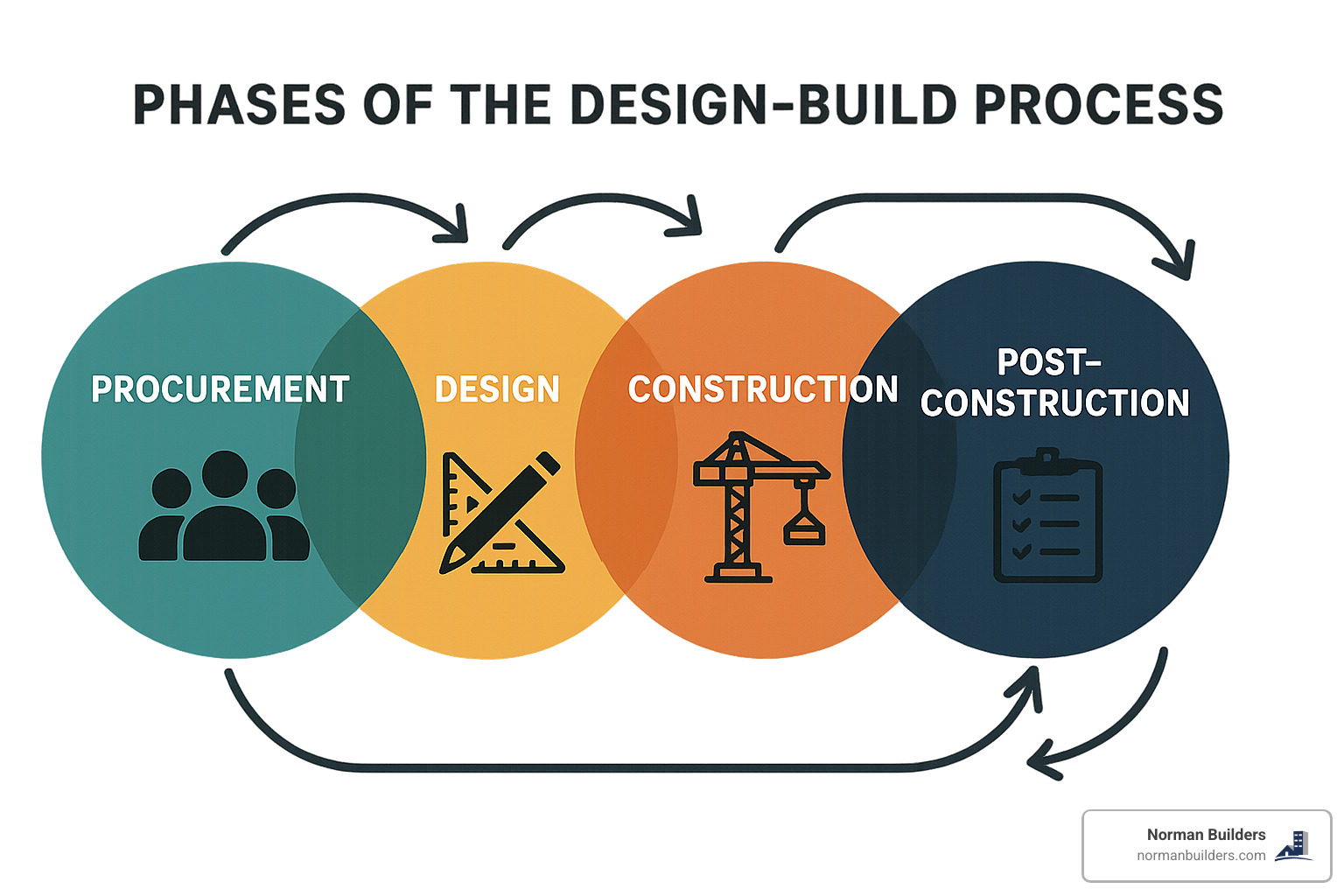
Finding the right design-build team is like matchmaking for your project. Owners typically select their partners through several thoughtful approaches: qualifications-based selection, best-value selection, a two-step process, or progressive design-build.
What’s refreshing about design-build procurement is that it’s not just a price-shopping exercise. Instead, it’s about finding partners who truly understand your vision.
Once your dream team is assembled, the real fun begins. Your design-build team will walk your property, listen to your wishes, and start sketching out what could be. Together, you’ll explore site conditions, discuss how spaces might flow, and consider various design directions while establishing initial budgets and timelines.
As your project takes shape on paper, the design-build approach really shines. Your architects and builders work side-by-side, refining drawings while constantly checking that everything remains buildable and within budget. Materials get selected, engineering details get resolved, and the team regularly reviews costs.
For progressive design-build projects, this phase often culminates in establishing a Guaranteed Maximum Price.
Here’s where the magic of design-build becomes most visible. Construction often begins while design is still being finalized – perhaps your foundation is being poured while interior details are still being designed. This overlapping approach can dramatically reduce project timelines.
Throughout construction, designers remain actively involved, collaborating with builders to solve challenges in real-time.
As your project nears completion, systems get tested, documentation gets organized, and you receive proper training on how to operate and maintain your new space.
Successful design-build teams feature several distinctive roles that help projects thrive:
At Norman Builders, we’ve found that clearly defining these roles while fostering a culture of collaboration creates the foundation for exceptional design-build projects throughout our Massachusetts and New Hampshire service areas. Our integrated approach to design build construction process ensures your project benefits from seamless communication and coordinated expertise from start to finish.
Please note: Our services are exclusively available in Massachusetts, specifically in Andover, MA, the North Shore, and New Hampshire, covering the Seacoast and Southern NH regions.
When you’re considering your next construction project, understanding the pros and cons of design-build projects can help you make the right choice for your needs.
The numbers tell a compelling story about why design-build projects continue to gain popularity. First and foremost is speed – these projects wrap up 33.5% faster than traditional methods. This acceleration happens because design and construction phases overlap, decisions get made more quickly, and the procurement process is streamlined.
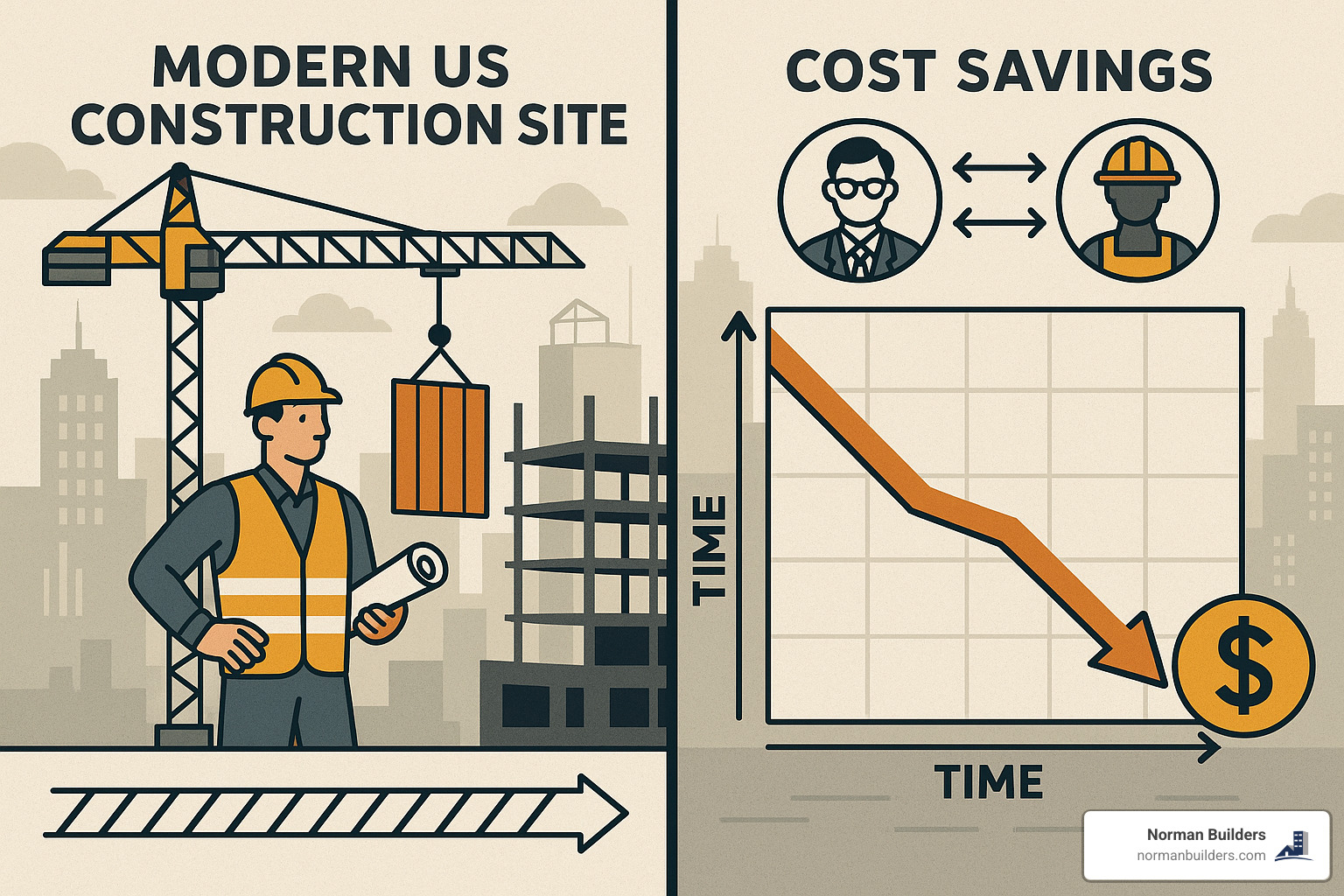
Your wallet will likely thank you too. Design-build projects typically cost 6.1% less per unit than design-bid-build approaches. But perhaps even more valuable than the savings is the predictability – you’ll know what you’re spending much earlier in the process.
Schedule certainty is another significant benefit. With design and construction teams working hand-in-hand, your timeline becomes more reliable. Your construction team provides real-time feedback on material availability and construction sequencing that directly informs the design process.
Innovation flourishes in the design-build environment. When designers and builders collaborate from the start, creative solutions emerge naturally. This ongoing value engineering happens organically throughout the project rather than as a separate, often contentious phase.
You’ll also deal with fewer change orders – typically just 3-5% compared to the 8-10% common in traditional methods. Having a single point of responsibility means you won’t get caught in the middle of disputes between designers and contractors.
Some owners feel they have less direct control over design details in design-build compared to traditional methods. Without separate contracts for design and construction, you might worry about checks and balances in the process.
Choosing the right design-build team is critical and happens earlier in the process, often before the design is fully developed. This puts more pressure on the selection process.
While design-build projects often result in lower final costs, the initial price may appear higher than the lowest bid in a traditional process. This is because design-build pricing includes contingencies and more realistic cost projections from the start.
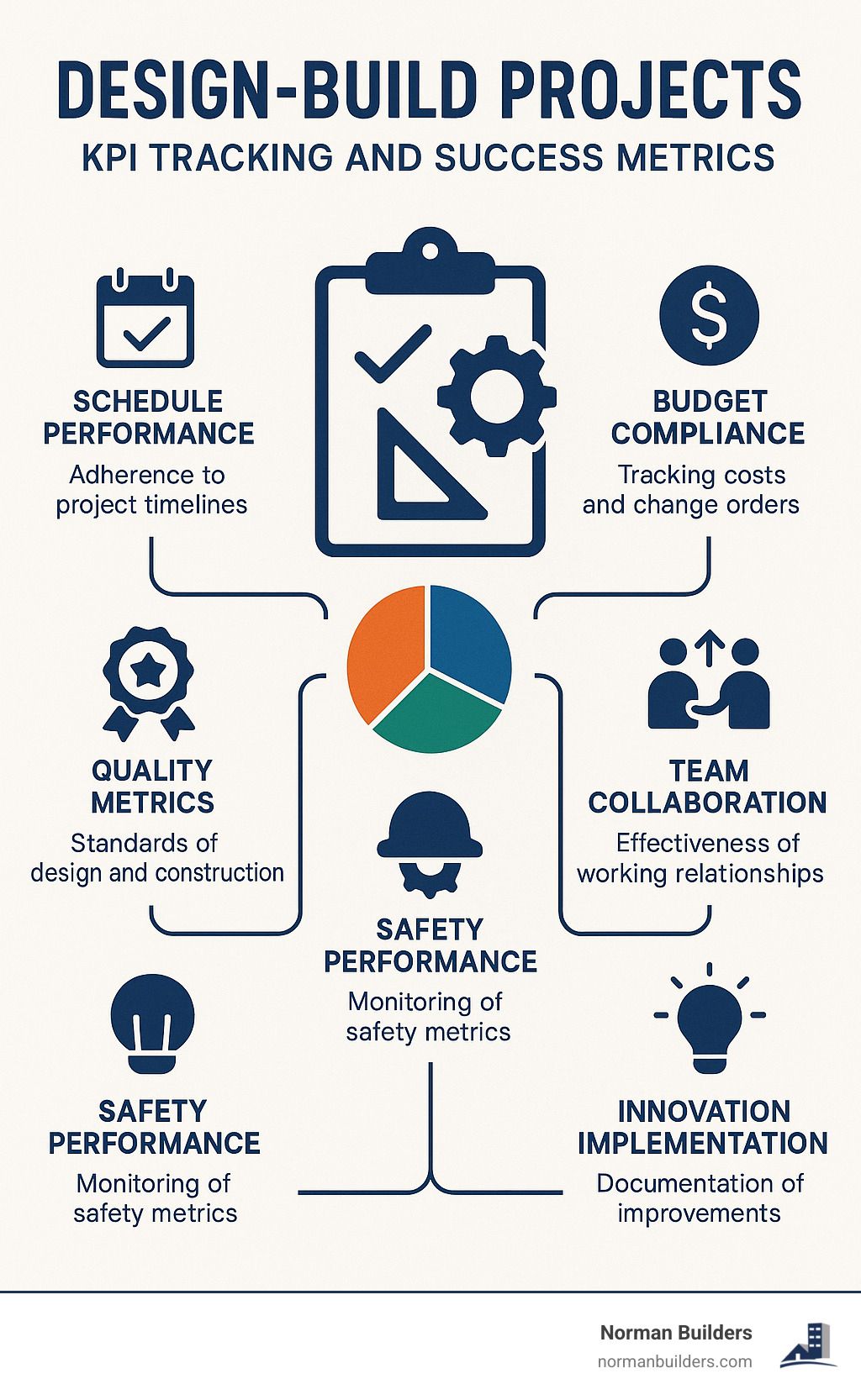
Knowing whether your design-build project is successful requires a different approach than traditional methods. Rather than just focusing on final completion date, we track how well the team maintains milestones throughout the project. We don’t just measure final cost versus budget, but also monitor the number and value of change orders.
Quality assessment spans both design excellence and construction quality through established standards and your satisfaction. We evaluate how effectively team members work together, often through surveys or facilitated feedback sessions.
At Norman Builders, we’ve seen how the advantages of the design-build approach benefit our clients’ custom home and renovation projects. The collaborative spirit and streamlined process allow us to deliver exceptional results while providing a more enjoyable experience for everyone involved.
For more information about the benefits of this approach, visit our detailed page on the advantages of design build construction. You can also explore the Alternative Delivery Program research for more data on design-build performance.
Please note: Our services are exclusively available in Massachusetts, specifically in Andover, MA, the North Shore, and New Hampshire, covering the Seacoast and Southern NH regions.
The world of design-build projects isn’t one-size-fits-all. Over the years, this approach has evolved into several variations that give owners more flexibility in how they bring their vision to life.
Progressive Design-Build has become increasingly popular among savvy property owners. In this approach, you select your design-builder based on their qualifications and fee structure before any detailed design work begins. Then, you work together to develop the design and establish a Guaranteed Maximum Price when the plans reach about 60-75% completion.
Two-Step Best Value offers a nice balance for owners who want the best of both worlds. First, you shortlist qualified teams based on experience, then invite these select few to submit detailed proposals with conceptual designs and pricing.
Design-Assist isn’t pure design-build but captures many of the same benefits. This hybrid approach brings contractors into the design process early while maintaining separate contracts.
For projects where design excellence is the star of the show, Designer-Led Design-Build puts architects in the driver’s seat. This reverses the typical contractor-led approach, with the architect holding the prime contract and the contractor working under their direction.
At Norman Builders, we’ve learned that successful design-build projects depend on several key practices:
The single most important decision you’ll make on your design-build projects is choosing the right team. Here’s what to look for:
At Norman Builders, we’ve found these selection criteria help establish the foundation for successful design-build projects across Massachusetts and New Hampshire.
Please note: Our services are exclusively available in Massachusetts, specifically in Andover, MA, the North Shore, and New Hampshire, covering the Seacoast and Southern NH regions.
Design-build projects shine across virtually all construction sectors, though some project types seem tailor-made for this collaborative approach.
The transportation infrastructure world has acceptd design-build projects with open arms. Highway, bridge, and transit projects benefit tremendously from faster delivery timelines and the innovation that comes when designers and builders collaborate from day one.
Educational facilities often turn to design-build when facing the rigid constraints of academic calendars. There’s nothing quite like the pressure of needing a school ready before students return in September to appreciate a streamlined process.
Healthcare projects represent another sweet spot for design-build projects. When you’re dealing with complex medical equipment requirements, strict regulatory compliance, and facilities that literally save lives, the collaborative problem-solving inherent in design-build proves invaluable.
Custom residential projects—our specialty at Norman Builders—represent perhaps the most personal application of design-build. High-end custom homes and major renovations require seamless coordination between creative vision and practical execution.
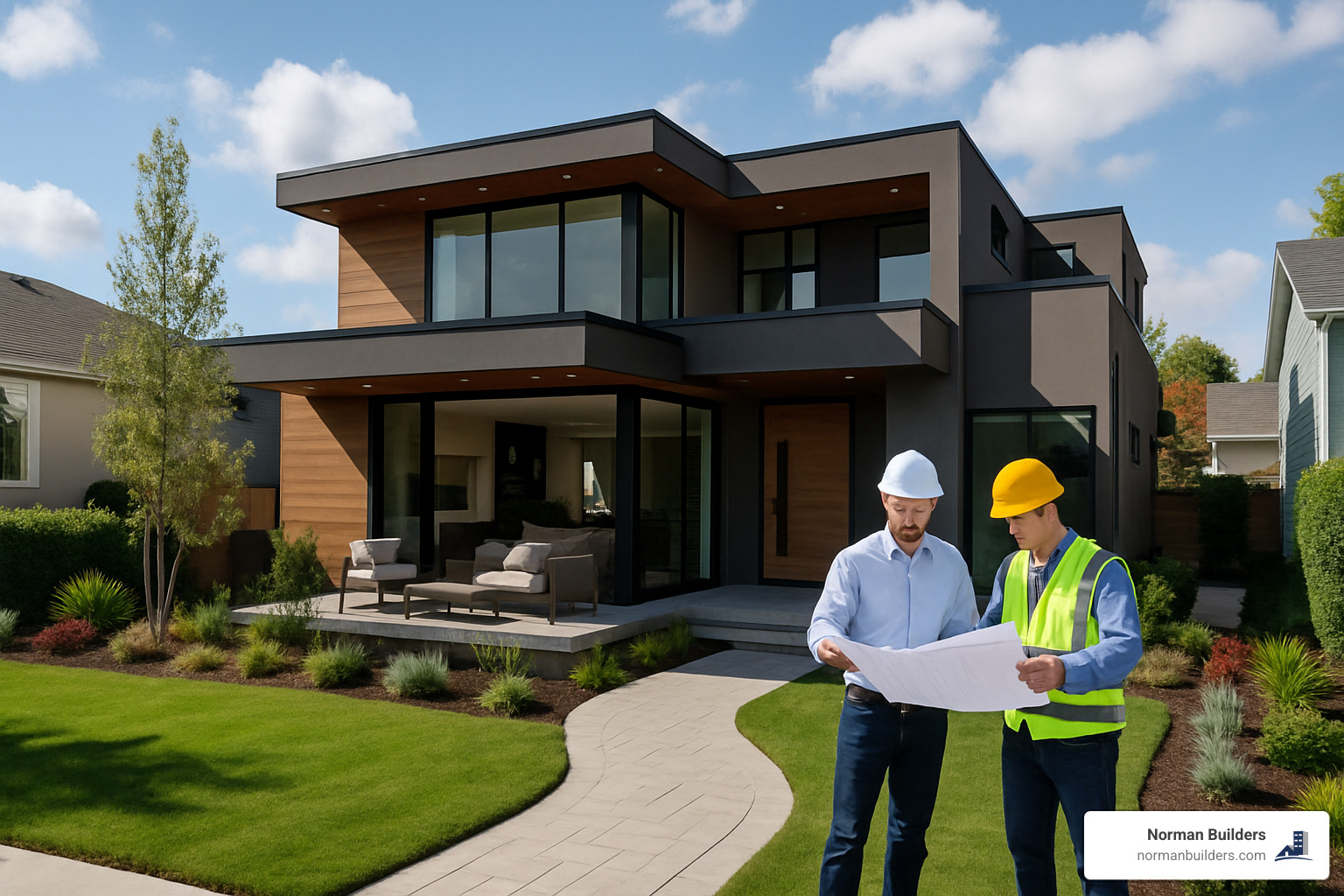
While our focus at Norman Builders centers on residential and commercial projects throughout Massachusetts and New Hampshire, there are some remarkable design-build projects nationwide that illustrate the power of this approach.
The LAX Midfield Satellite Concourse represents a triumph of coordination and problem-solving. This massive 750,000-square-foot airport expansion proceeded under active taxiways without disrupting airport operations—a feat that would have been nearly impossible without the tight integration of design-build.
The Hyatt Regency Portland tells a story of speed without sacrifice. This 440,000-square-foot hotel adjacent to a convention center went from concept to completion in just 26 months—an astonishing timeline for a project of this complexity.
At the University of Washington, the Hans Rosling Center demonstrates design-build’s financial advantages. This 300,000-square-foot health sciences building came in 2.5% under budget, saving $4.5 million through innovations that emerged from the collaborative process.
In our own portfolio at Norman Builders, we’ve witnessed how design-build projects deliver exceptional results for custom homes and renovations. By weaving together design and construction from day one, we consistently achieve:
For more information about companies specializing in this approach, visit our page on Design Build Construction Companies.
Please note: Our services are exclusively available in Massachusetts, specifically in Andover, MA, the North Shore, and New Hampshire, covering the Seacoast and Southern NH regions.
Not all construction projects are created equal when it comes to delivery methods. While design-build projects can work beautifully across the construction spectrum, some project types really shine with this approach.
Time-sensitive projects often see the greatest benefits, as the overlapping phases can dramatically compress schedules. Complex facilities—like hospitals or manufacturing plants—thrive under design-build because the constant communication between designers and builders helps steer technical challenges more smoothly.
Custom homes and major renovations are particularly well-suited for design-build. When you’re creating or changing a personal space, the seamless integration of creative vision and practical construction makes all the difference in the final result.
The numbers tell a compelling story about design-build projects and their efficiency. Studies consistently show these projects finish 33.5% faster than traditional design-bid-build methods. Construction time specifically drops by about 12%, and perhaps most impressively, unit costs typically run 6.1% lower.
One of the most dramatic differences appears in change orders—those dreaded mid-project adjustments that can wreak havoc on budgets. In design-build, change orders typically account for just 3-5% of project costs, compared to 8-10% in traditional delivery methods.
Why such dramatic differences? When designers and builders work as a unified team from day one, they identify potential issues before they become expensive problems. Long-lead materials get ordered earlier, constructability challenges get solved during design, and decision-making happens more efficiently.
Progressive Design-Build (PDB) has emerged as a particularly client-friendly variation of the design-build approach. Unlike traditional design-build where teams compete with conceptual designs and pricing, PDB selects the design-builder based primarily on qualifications and team chemistry before any significant design work begins.
This approach shines when projects start with more questions than answers. If you’re not entirely sure what you want—just that you need something special—progressive design-build gives you the flexibility to develop the vision collaboratively with your team while maintaining budget awareness throughout.
This method works beautifully when:
– Your project has complex stakeholder requirements that need careful navigation
– You want significant input throughout the design process
– You value transparency in pricing and decision-making
– The scope isn’t fully defined at the outset but budget certainty is still important
For our residential clients, progressive design-build creates a comfortable rhythm of design development and cost feedback. Homeowners can refine their vision as the design evolves, making informed decisions based on real-time cost information.
Please note: Our services are exclusively available in Massachusetts, specifically in Andover, MA, the North Shore, and New Hampshire, covering the Seacoast and Southern NH regions.
As we’ve explored throughout this guide, design-build projects represent not just an alternative delivery method but a fundamentally different philosophy about how construction should work. By bringing design and construction together under one team and one contract, this approach creates a harmony that traditional methods simply can’t match.
The numbers tell a compelling story that’s hard to ignore: projects completed 33.5% faster, costs reduced by 6.1%, and dramatically fewer change orders and legal disputes. It’s clear why design-build is projected to represent over 47% of construction spending by 2028.
At Norman Builders, we’ve acceptd the design-build approach because we’ve witnessed how it transforms our clients’ experience. From stunning custom homes to thoughtful renovations, our integrated team delivers a smooth journey from initial concept through final walkthrough.
I believe the future of construction lies in collaboration rather than confrontation, in integration rather than isolation. Design-build projects embody this future by breaking down the artificial walls between designing and building—creating unified teams focused on what really matters: exceptional results for our clients.
For homeowners considering a construction project in Massachusetts or New Hampshire, I invite you to explore how our design-build approach can deliver not just a beautiful finished product, but also a more enjoyable, predictable experience along the way.
Whether you’re dreaming of a custom home that perfectly reflects your lifestyle, renovating to create more functional space, or tackling a commercial project, consider how design-build might transform your experience. With the right team working together from day one, both the journey and destination can exceed your expectations.
For more information about how we can help with your custom home project, visit our page on custom home builders.
Please note: Our services are exclusively available in Massachusetts, specifically in Andover, MA, the North Shore, and New Hampshire, covering the Seacoast and Southern NH regions.

We specialize in high-quality home construction and remodeling services, delivering exceptional craftsmanship tailored to meet your vision and needs. Whether you’re planning a renovation, new construction, or a custom remodel, our experienced team is committed to exceeding expectations with precision, attention to detail, and reliable service.
Our service area includes the Merrimack Valley, North Shore, Seacoast, and Southern NH Areas. We take pride in the quality of our workmanship and our prompt professionalism.
Contact us today to bring your project to life!