

For anyone starting on the exciting journey of changing their living space, a whole house renovation budget is an essential first step. To get started:
Budgeting is crucial in any renovation plan as it helps keep expenses under control and guides decision-making throughout the process. As costs for building materials rise, maintaining a clear and thorough budget ensures that your dream renovation doesn’t become a financial burden.
I’m Ryan Norman, the founder of Norman Builders. With experience in construction, technology, and real estate, I understand the intricacies of managing a whole house renovation budget. This knowledge, combined with the expertise of my team, ensures your renovation project is both cost-effective and expertly executed.
Learn more about whole house renovation budget:
– home renovation costs
– whole house renovation checklist
– how much does it cost to renovate a whole house
When planning a whole house renovation budget, understanding the various factors that influence costs is key. Let’s break down the main elements that can affect your renovation expenses.
The size of your home is one of the biggest influencers on renovation costs. Generally, the larger the space, the higher the cost. Renovation costs can range from $10 to $210 per square foot, depending on the complexity of the project and materials used. For example, a simple update without structural changes will cost less per square foot than a complex project involving floor plan adjustments.
Older homes often come with hidden challenges that can increase renovation costs. Homes built decades ago might have outdated wiring, plumbing, or structural issues that need to be addressed. This is especially true for historical homes, where preserving original features can add to the complexity and cost of the renovation. It’s important to plan for these potential surprises when budgeting for an older home renovation.
Where you live can greatly impact the cost of your renovation. In urban areas, labor and material costs tend to be higher due to demand. In contrast, rural areas might offer lower prices, but you could face higher transportation costs for materials and limited availability of skilled contractors. Regional variations can lead to cost differences of up to 40%. Be sure to research local prices to better understand how your location might affect your budget.
With these factors in mind, you can create a more accurate and realistic whole house renovation budget. Keep reading as we dig into the key cost factors you need to consider, including permits, alternative living expenses, and floor plan changes.
When you’re diving into a whole house renovation, understanding the key cost factors can help keep your budget on track. Let’s take a closer look at some of these crucial elements: permits, alternative living expenses, and floor plan changes.
Permits are a necessary part of any renovation project. They ensure that your renovation complies with local building codes and regulations. The cost of permits can vary widely based on your location and the scope of your project. For instance, a simple permit for minor renovations might only cost a few hundred dollars. However, more extensive projects, like structural changes or additions, could require multiple permits and inspections, increasing the cost significantly.
Local regulations can also impact the types of permits you need. It’s crucial to check with your local building department to understand what permits are required for your project. Skipping this step could result in fines or having to redo work that doesn’t meet code.

Renovating your entire home often means you need to find somewhere else to live temporarily. This can be a significant but often overlooked cost. Depending on the length of your renovation and local housing options, you might need to budget for a hotel stay, short-term rental, or even a temporary apartment.
The cost range for temporary housing varies greatly. A short hotel stay might be manageable, but longer-term solutions like a rental can add up quickly. If your renovation involves critical areas like the kitchen or bathrooms, expect to pay more for alternative living arrangements.
Changing the floor plan of your home can dramatically alter both its functionality and value. However, these changes can also be expensive. Minor changes, like removing a non-load-bearing wall, might be relatively affordable. But major changes, such as adding rooms or moving load-bearing walls, require the expertise of a structural engineer and can significantly increase costs.
Structural changes often involve rerouting plumbing and electrical systems, which adds complexity and expense. It’s essential to weigh the benefits of these changes against their costs and consider how they fit into your overall renovation budget.

Being aware of these key cost factors allows you to plan more effectively and avoid unexpected expenses. Next, we’ll explore room-by-room renovation costs to help you further refine your budget.
When planning a whole house renovation, break down costs by room. Each area of your home has its unique challenges and opportunities for savings. Let’s explore the average costs and considerations for renovating each space.
The kitchen is often the heart of the home and, unsurprisingly, the most expensive room to renovate. On average, kitchen remodels can range significantly, especially if you’re opting for high-end finishes or custom cabinetry. Minor upgrades might include updating appliances or repainting cabinets, while major renovations could involve changing the floor plan or installing luxury countertops. Open shelving is a cost-saving tip that can reduce expenses associated with traditional cabinetry.
Bathroom renovations are another costly endeavor, but they can greatly improve your home’s comfort and value. The average cost can vary based on the type of bathroom—whether it’s a small powder room or a luxurious master bath. Premium finishes, like high-end tiles and fixtures, can drive up costs. However, focusing on essential upgrades, such as improved storage or updated plumbing, can offer a balance between luxury and affordability.
The living room is a space where families gather and relax. Renovations here can range from simple updates, like new paint or flooring, to more extensive changes, such as adding built-in shelving or a new fireplace. Common upgrades include enhancing lighting or installing smart home features. To save costs, consider DIY projects like painting or rearranging furniture to refresh the space without major expenses.
Bedrooms are personal sanctuaries, and their renovation costs can vary widely. On average, costs can be kept down with affordable upgrades like new paint, flooring, or lighting. Custom materials, such as bespoke closets or high-quality bedding, can add a personalized touch. Prioritizing comfort and functionality can help guide your renovation decisions without breaking the bank.
Basements offer versatile spaces that can be transformed into family rooms, guest suites, or home offices. The average cost of a basement renovation can vary based on its intended use. Finishing a basement can provide a good return on investment (ROI), especially if it adds livable square footage. Common uses include creating a home theater or gym. A partial finish or simple updates like new flooring can be cost-effective alternatives.
Renovating an attic can add valuable space to your home, often at a lower cost than building an addition. Average costs include pest removal and insulation, which are crucial for making the space habitable. Whether you’re creating a cozy loft or a functional storage area, an attic renovation can make efficient use of underused space.
A garage renovation can add functionality and even living space to your home. Average costs can vary, especially if you’re considering a conversion into a living area. Storage solutions, like new shelving or cabinets, can improve the space without a full conversion. If you’re changing the garage into a livable area, consider the costs of insulation, heating, and possibly a new floor plan.
Understanding these room-by-room costs can help in setting a realistic whole house renovation budget. Next, we’ll dig into some practical tips for budgeting and financing your renovation project.
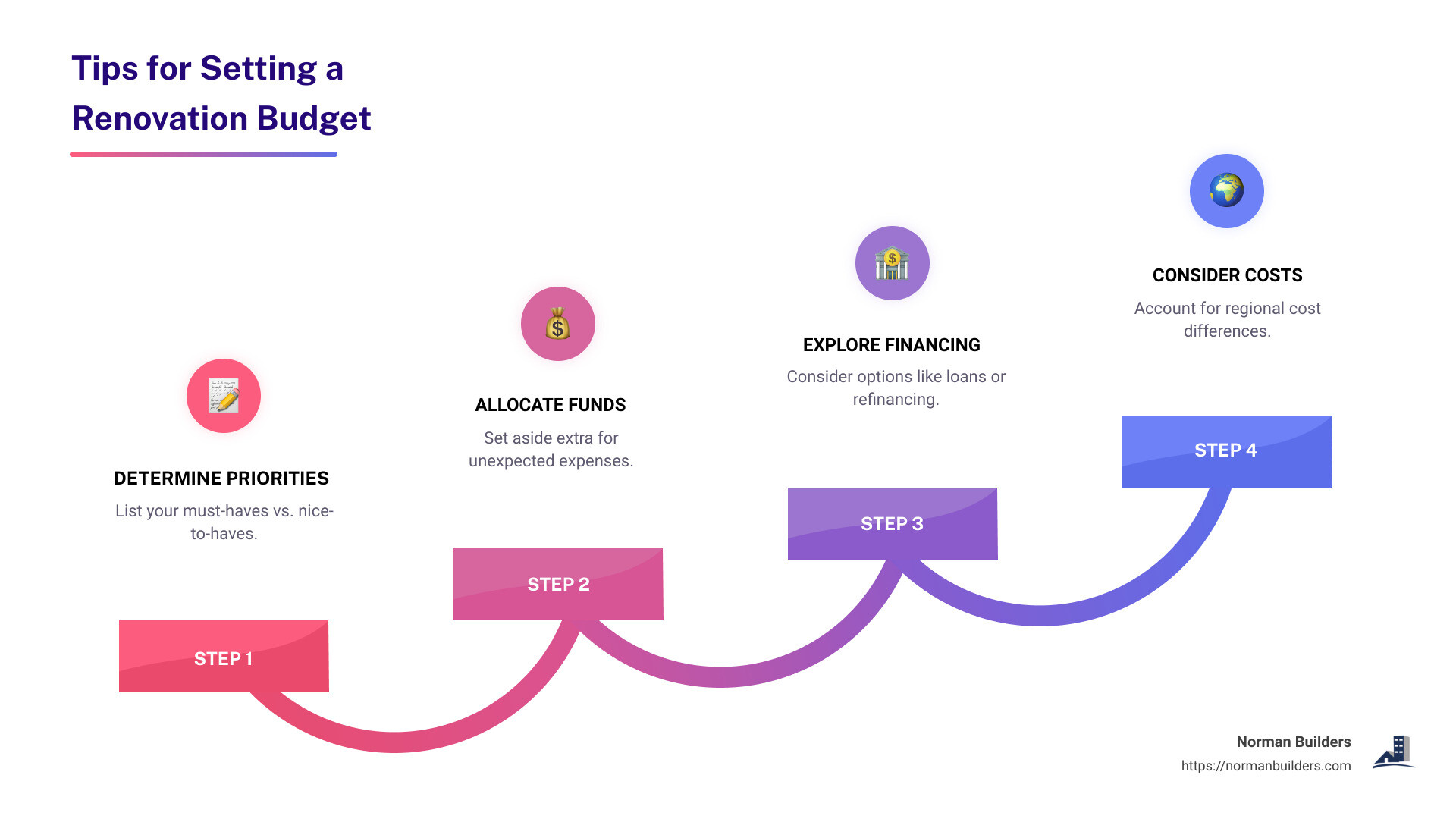
When planning a whole house renovation, having a clear budget is essential. Here are some practical tips for setting your budget, exploring financing options, and implementing cost-saving strategies.
Prioritize Projects: Start by listing all the renovations you want. Separate these into “needs” and “wants.” This will help you focus on the most important projects first.
Detailed Planning: Create a detailed plan for each room. Include estimates for materials, labor, and any additional costs. This helps avoid surprises later.
Contingency Funds: Set aside 10-20% of your budget as a cushion. Renovation projects often come with unexpected costs, and having extra funds can prevent stress.
“Think about the proper order to do things in. It makes no sense to get new kitchen counters if you know that later on you’ll likely need to upgrade your cabinets or change the floor plan, right?” — Christine White
Financing a renovation can be daunting, but several options are available:
Home Equity Loan or Line of Credit: Borrow against your home’s equity, up to 85% of its value. This option offers flexibility, especially with a line of credit where you pay interest only on what you borrow.
Cash-Out Refinance: Replace your current mortgage with a larger one, receiving the difference in cash. This can fund larger projects but often involves higher closing costs.
Personal Loans: These loans are faster to obtain but usually come with higher interest rates. They can be useful for smaller projects.
Cash: Paying in cash avoids interest and debt. If possible, it’s the most straightforward option, allowing you to stick to your budget without future financial burdens.
Renovations can be expensive, but there are ways to save:
DIY Demolition: If you’re comfortable, handle some demolition work yourself. Removing cabinets or tiles can cut labor costs.
Ordering Fixtures Yourself: Contractors often charge a markup on materials. By purchasing fixtures and finishes yourself, you can save on these additional costs.
Be Your Own Project Manager: Hire subcontractors directly instead of through a general contractor. This requires more coordination but can reduce overhead costs.
Shopping Used: Consider buying used or refurbished items. Appliances and fixtures can often be found at a fraction of the cost without sacrificing quality.
“Complete demolition yourself… this is a good way to reduce labor costs and save a few dollars.”
These tips can help you create a realistic and manageable whole house renovation budget. Next, we’ll address some frequently asked questions about budgeting for a renovation.
For many homeowners, $100,000 can cover a substantial portion of a renovation project. According to a 2022 study by Houzz, only 10% of Americans exceed this amount during renovations. However, whether this budget is adequate depends on your goals, the size of your home, and the extent of the work. If you’re focusing on updating a few rooms or making minor improvements, this budget might suffice. But for gutting and remodeling multiple areas, costs can quickly escalate.
Working with a professional team like Norman Builders ensures you make informed decisions and maximize your budget. They can help prioritize projects and suggest cost-effective solutions that align with your vision.
A common guideline is to spend between 10% and 15% of your home’s value on renovations. This approach helps ensure that your investment improves your home’s value without overspending. For example, if your home is valued at $300,000, you might allocate $30,000 to $45,000 for renovations.
Room-Specific Budgets: It’s also smart to set budgets for individual rooms. Kitchens and bathrooms tend to be the most expensive, often taking up a significant chunk of the budget. Living rooms and bedrooms might require less, depending on the changes you plan.
“You don’t want to spend more than 10 to 15 percent of your home’s value on a single room.”
A full house renovation can be worth the investment, especially when considering long-term benefits. While you might not recoup all your costs immediately, strategic renovations can significantly boost your home’s market value and improve your quality of life.
Return on Investment (ROI): Certain projects offer higher ROI. For instance, refinishing hardwood floors can yield a 147% return, according to Realtor.com. Kitchen and bathroom updates are also known for their value-boosting potential.
Quality of Life Improvements: Beyond financial returns, consider the personal satisfaction and improved functionality a renovation brings. Creating a more comfortable and efficient living space can greatly improve your daily life.
Future sale value is another consideration. A well-renovated home is more appealing to potential buyers, potentially leading to a quicker sale at a higher price.
In the next section, we’ll explore the specific costs associated with renovating different rooms in your home.
Starting on a whole house renovation is a significant endeavor that requires careful planning and budgeting. By understanding the various costs involved and considering factors such as home size, age, and location, you can create a realistic whole house renovation budget that aligns with your goals.
Planning is Key: A well-thought-out plan is essential for a successful renovation. It helps you prioritize projects, allocate resources efficiently, and anticipate potential challenges. As Christine White from The (mostly) Simple Life advises, doing things in the right order can save you both time and money. Don’t forget to set aside a contingency fund for unexpected expenses, as suggested by Danny Niemela of ArDan LLC.
Expertise Matters: Partnering with experienced professionals like Norman Builders can make a world of difference. With our expertise in delivering custom-built homes and remodels, we ensure your renovation journey is smooth and stress-free. Our team is dedicated to providing exceptional craftsmanship and personalized service, helping you maximize your investment and achieve the home of your dreams.
For more insights and guidance on whole house renovations, explore our Whole House Renovations page. Whether you’re considering a minor update or a major overhaul, we’re here to help you every step of the way.
In summary, a successful renovation is not just about changing your space—it’s about enhancing your quality of life and increasing the value of your home. With careful planning, a realistic budget, and the right team by your side, you can turn your renovation vision into reality.
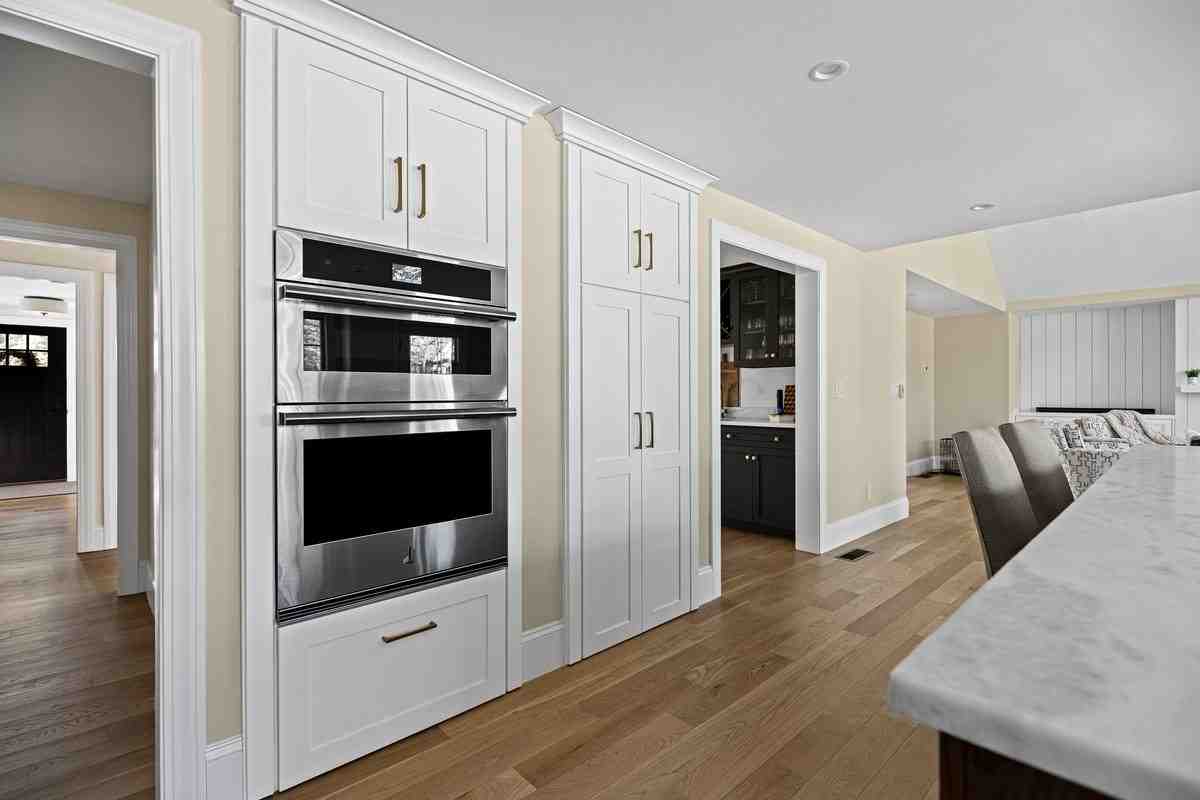
We specialize in high-quality home construction and remodeling services, delivering exceptional craftsmanship tailored to meet your vision and needs. Whether you’re planning a renovation, new construction, or a custom remodel, our experienced team is committed to exceeding expectations with precision, attention to detail, and reliable service.
Our service area includes the Merrimack Valley, North Shore, Seacoast, and Southern NH Areas. We take pride in the quality of our workmanship and our prompt professionalism.
Contact us today to bring your project to life!