Why Finding the Right Room Addition Contractor Matters
Room addition contractors near me is a top search for homeowners who need more space but want to avoid the hassle and expense of moving. If you’re looking to expand your home, this guide will walk you through the process.
Quick Answer: Finding Room Addition Contractors
Start with referrals – Ask friends, neighbors, and family for recommendations
Check online platforms – Review Houzz, BBB, HomeGuide, and Thumbtack for ratings and reviews
Verify credentials – Ensure contractors are licensed, bonded, and insured
Review portfolios – Look at past projects similar to yours
Get multiple quotes – Compare at least three detailed estimates
Ask key questions – Years in business, project timelines, warranty terms
Check references – Speak with past clients about their experience
Whether your family has outgrown the kitchen or you need a dedicated home office, a room addition can solve space problems, increase your home’s value, and let you customize your living area. However, finding the right contractor is the key to a successful project, preventing a dream addition from becoming a construction nightmare.
This guide covers everything from finding reputable professionals and what questions to ask to typical costs and what to expect during construction.
I’m Ryan Norman, founder of Norman Builders. Since 2007, I’ve helped homeowners in the Merrimack Valley and Southern NH with their room addition contractors near me searches, completing over 100 projects. My background in technology and project management helps streamline the addition process, ensuring quality work without the usual headaches.
Is a Room Addition Right for You? Weighing the Pros, Cons, and Costs
Before you start calling room addition contractors near me, it’s important to decide if an addition is the right move for your family and finances. While it’s a great alternative to moving for many, it’s a major undertaking.
Benefits of Adding a Room
You get to stay put. If you love your neighborhood and schools, an addition lets you keep what you love while gaining the space you need, avoiding the high costs and stress of moving.
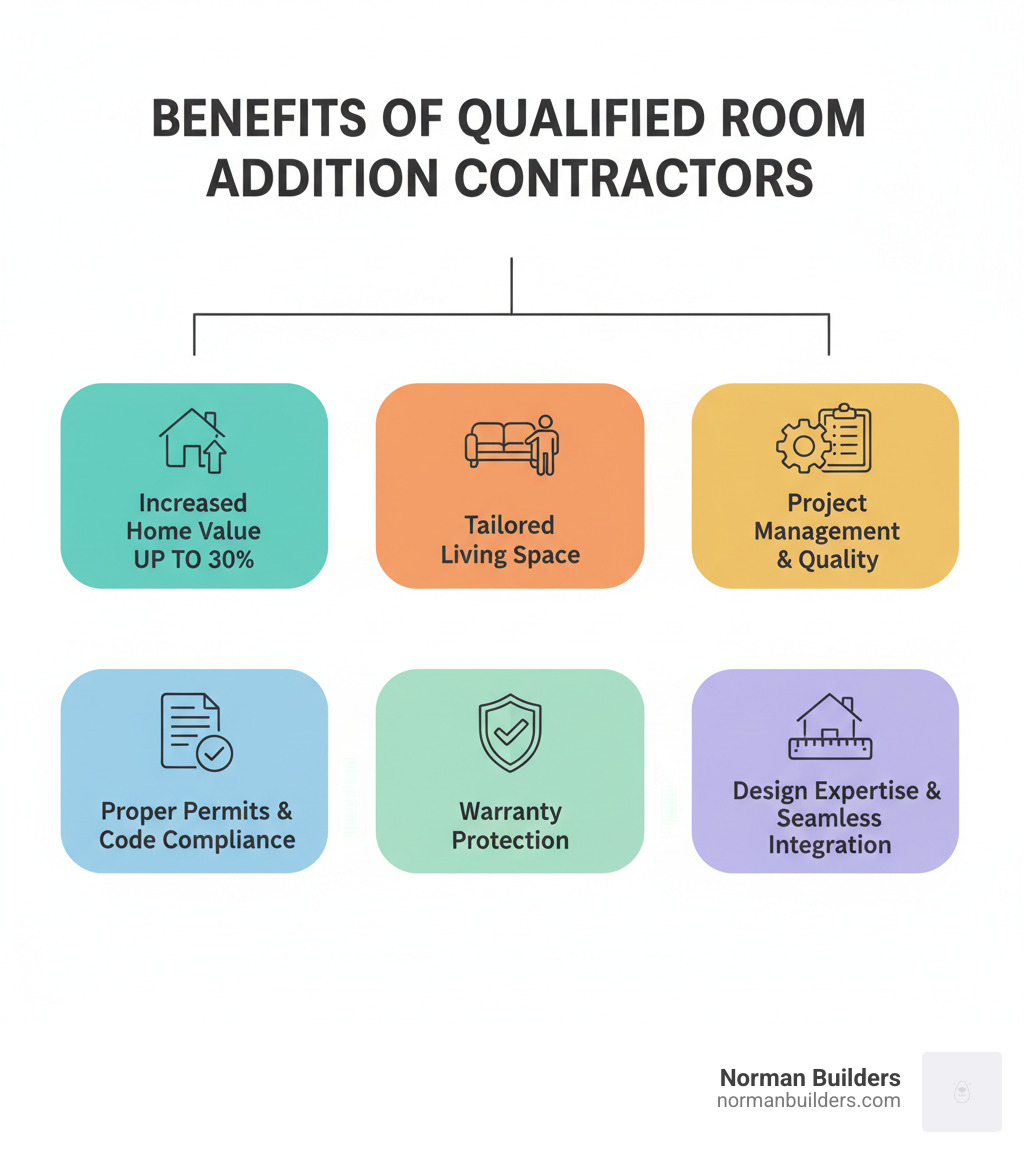
Your home’s value goes up. A well-designed addition can increase your property value significantly, especially with high-demand features like an extra bathroom, a larger kitchen, or a master suite.
You get exactly what you want. Unlike buying an existing house, an addition gives you complete control over the layout, materials, and finishes to create a space custom to your needs.
Your life gets easier. The right addition can solve daily frustrations, whether it’s creating a quiet home office or adding an in-law suite for aging parents.
Potential Drawbacks and Challenges
You’ll be living in a construction zone. An addition means noise, dust, and disruption to your daily routine for weeks or months. Some families plan around it, while others may choose to stay elsewhere during the most intensive phases.
It’s a significant investment. Room additions are not cheap, and unexpected costs can arise from issues like hidden foundation problems or outdated wiring. A realistic budget is crucial.
Permits and paperwork aren’t optional. Every addition requires permits and must meet local building codes. This process adds time, though an experienced contractor will handle the submissions for you.
With proper planning and the right team, most homeowners find the long-term benefits far outweigh the temporary inconveniences.
Understanding Room Addition Costs
What will a room addition cost? The answer varies widely. Please note: these are average costs based on internet data and not actual costs for Norman Builders services. Your project’s price will be unique.
Industry data shows room additions can range from $100 to over $500 per square foot. In competitive markets, the average might be around $250 per square foot, with full projects ranging from $50,000 to $200,000+ depending on the scope.
Several factors influence the final cost:
Size and Type: A simple bedroom costs less than a kitchen or bathroom, which requires extensive plumbing and electrical work.
Material Quality: Standard finishes are more affordable than high-end materials like custom cabinetry, premium flooring, or specialty windows.
Project Complexity: A simple bump-out is less expensive than a two-story addition with complex architectural features.
Integration: Matching materials and styles to an older home can require extra skill and creative solutions.
Labor Rates: Costs vary by region and the specialized skills needed for your project.
To manage your budget effectively, we recommend setting aside a contingency fund of 10-15% to cover unforeseen issues. Open communication with your contractor is key to balancing quality and cost. As the Better Business Bureau notes, experienced contractors plan for potential delays like weather or material shortages.
If you’re considering updating existing spaces, check out our home remodeling services.
Exploring Your Options: Common Types of Room Additions
When searching for room addition contractors near me, you’ll find that additions come in many forms. The best choice depends on your needs, your home’s style, and property constraints like lot lines and setbacks.
Conventional Home Additions
These are substantial projects that transform your home’s layout and feel.
Multi-room structures act as new wings, such as a first-floor suite with a kitchen, dining area, and family room. The goal is seamless integration, making the new space feel like it was always there.
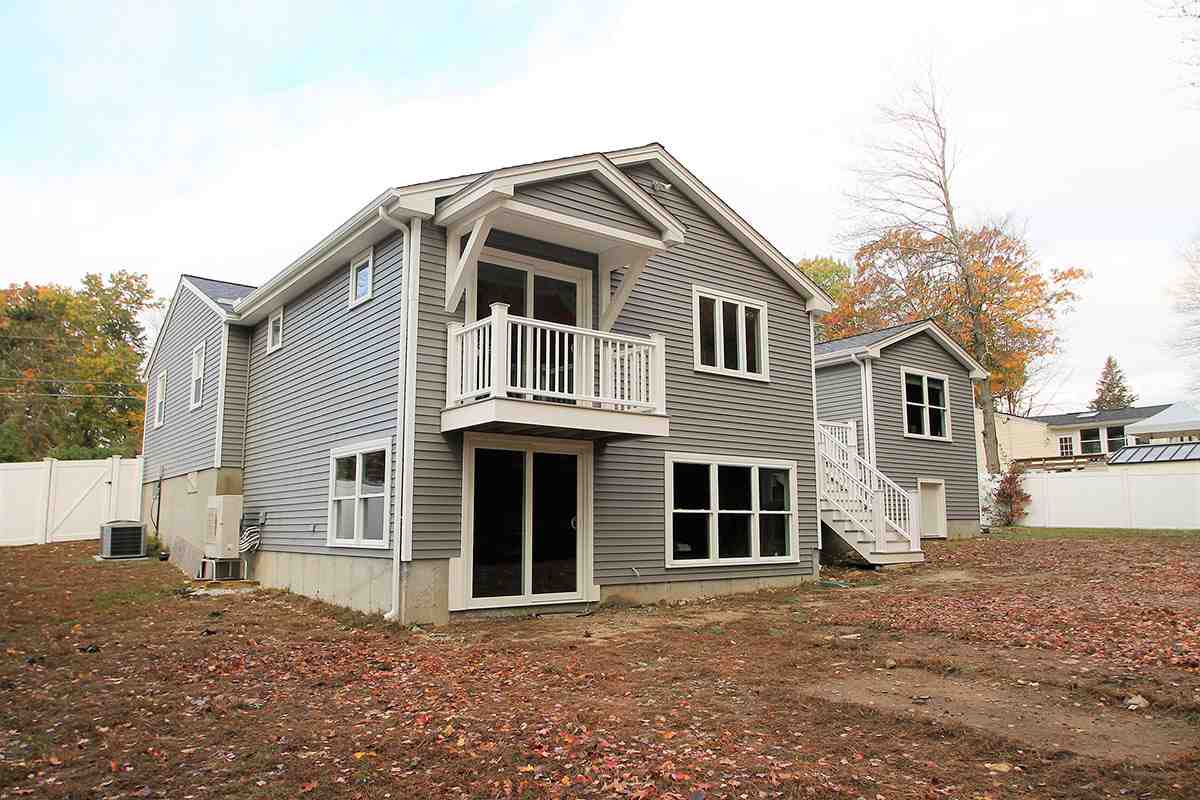
Second-story additions are ideal for smaller lots where building out isn’t an option. We often transform single-story ranches into multi-level homes, adding master suites or extra bedrooms while preserving the home’s original character.
In-law suites are increasingly popular for multi-generational living. These self-contained units typically include a bedroom, bathroom, and kitchenette, offering privacy for aging parents or adult children.
For all conventional additions, blending with the existing architecture is key. This means matching siding, rooflines, windows, and trim details. Explore our home addition services to see how we approach these projects.
Bump-Outs and Single-Room Additions
Sometimes, a small extension is all you need. These “micro-additions” offer a big impact in a small footprint.
Expanding a kitchen with a 5-foot bump-out can create enough space for a large island or a breakfast nook.
Adding or expanding a bathroom can turn a cramped space into a luxurious retreat with a walk-in shower and double sinks.
Creating a small office nook provides a dedicated, quiet workspace away from the main living areas.
Bump-outs can often be built without a traditional foundation, which can save time, money, and disruption to your yard. For more ideas, see our kitchen remodeling page.
Sunrooms and Garage Conversions
These options add living space by connecting to the outdoors or reimagining underused areas.
Four-season rooms are fully insulated, heated, and cooled, allowing you to enjoy natural light and outdoor views year-round.
Three-season rooms are a more budget-friendly option, providing a screened or glass-enclosed space for enjoyment from spring through fall.
Converting existing garage space is a smart way to add a home gym, playroom, or guest suite, as the foundation and structure are already in place. This is often more affordable than building from scratch.
For more ideas on using existing square footage, our basement finishing services show what’s possible.
The Ultimate Guide to Finding and Vetting Room Addition Contractors Near Me
Choosing the right room addition contractors near me is the most critical step for a successful project. You need a partner who understands your vision, communicates clearly, and delivers quality work. The time you invest in vetting contractors will pay off throughout the project.
How to Find Reputable Contractors
Start your search with word-of-mouth referrals from friends, neighbors, or family. Their experiences provide invaluable insights. Next, use online platforms like Houzz to browse portfolios and read detailed reviews. Check a company’s rating and history with the Better Business Bureau, where an A+ rating signals a commitment to customer satisfaction. Sites like HomeGuide and Thumbtack can also provide quotes and reviews. Finally, always review portfolios to ensure a contractor’s past work aligns with your project’s scope and style.
Key Questions to Ask Potential Room Addition Contractors Near Me
Once you have a shortlist, conduct interviews and ask these crucial questions:
“How many years have you been doing room additions specifically?” Experience with integrating new and old structures is vital.
“Are you licensed, bonded, and insured?” Ask for proof. This is non-negotiable and protects you from liability.
“How long have you worked with your subcontractors?” A consistent team often means fewer delays and better quality.
“How do you handle garbage and waste disposal?” A clean job site is a sign of professionalism.
“Do you provide a guarantee or warranty on your work?” A solid warranty demonstrates confidence in their craftsmanship.
“Do you offer design services, or do I need an architect?” Understand their process. Many firms offer a streamlined design-build construction process.
“How do you handle change orders?” A clear process for documenting changes prevents surprise costs.
“Can you provide at least three references from recent projects?” Speak with past clients about their experience and, if possible, ask to see completed work.
What to Look for in a Contract
A detailed contract protects everyone. Before signing, ensure it includes:
Detailed scope of work: A specific list of all tasks from demolition to final paint.
Payment schedule: Clear milestones that trigger payments.
Material specifications: A list of brands, colors, and model numbers.
Project timeline: A schedule with start dates, end dates, and key milestones.
Warranty information: Details on what is covered and for how long.
Clean-up clause: A commitment to daily site cleanup and final debris removal.
Dispute resolution clause: A process for handling disagreements.
Lien waiver provision: Protection ensuring subcontractors and suppliers are paid by your contractor.
From Blueprint to Reality: The Home Addition Process
Understanding the construction process can make your room addition project feel less overwhelming. Here’s a look at the typical phases, from initial plan to final walkthrough.
The Pre-Construction Phase
This planning stage is where your vision takes shape.
Initial Consultation: You’ll meet with room addition contractors near me to discuss your needs and goals. This helps the contractor understand not just what you want to build, but why.
Design and Plans: Detailed architectural plans are created, either by a dedicated architect or an in-house design team. These drawings are the blueprint for the project.
Budget Finalization: With plans complete, your contractor provides accurate pricing. This is the time to establish a contingency fund (10-15%) for unexpected issues.
Material Selection: You’ll choose everything from siding and roofing to fixtures and paint, balancing aesthetics, durability, and budget.
Permitting: Your contractor submits plans to local authorities to secure the necessary permits, ensuring your addition is safe and code-compliant. Our integrated design-build process manages all these steps seamlessly.
The Construction Phase
Once permits are approved, the physical work begins.
Foundation: The site is excavated and concrete footings are poured to support the new structure.
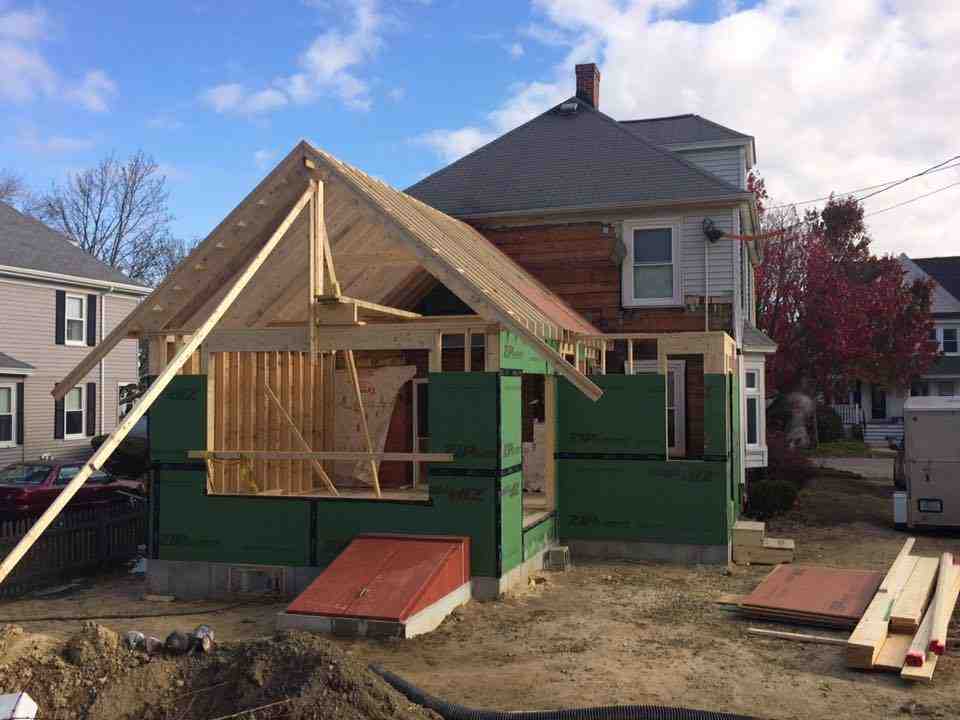
Framing and Roofing: The walls, floors, and roof structure go up, giving the addition its shape.
Siding and Windows: The exterior is enclosed to protect it from the elements.
MEP Rough-in: Mechanical (HVAC), electrical, and plumbing systems are installed within the walls.
Insulation and Drywall: Insulation is installed for energy efficiency, followed by drywall to create the interior walls.
Finishes: The final touches—flooring, paint, trim, cabinets, and fixtures—are added, changing the site into a finished living space.
Most room additions take between 12 to 18 weeks, though the timeline can vary based on size and complexity.
How to Keep Your Project on Budget and on Time
Use a contingency fund. Set aside 10-15% of your budget for surprises like old termite damage or supply chain delays.
Finalize decisions early. Making changes mid-project can cause delays and increase costs. Stick to your initial selections.
Avoid scope creep. Adding “just one more thing” can quickly inflate your budget and timeline.
Maintain open communication. Address questions and concerns with your contractor promptly.
Schedule regular check-ins. Weekly meetings keep everyone aligned on progress and upcoming decisions.
Frequently Asked Questions About Room Additions
When planning an addition, many homeowners have the same questions. Here are answers to the most common ones.
How much value does a room addition add to a home?
It depends. While some sources claim an addition can increase home value by up to 30%, the actual return on investment (ROI) is more nuanced.
Project type matters. A master suite or kitchen expansion typically offers a stronger ROI than a hobby room because they appeal to more buyers.
Your local market is key. In a competitive area, added square footage can be highly valuable. In slower markets, the return may be more modest.
Quality is non-negotiable. High-quality craftsmanship and seamless design will always command better value than a poorly executed addition.
An addition is an investment in your quality of life. The daily enjoyment of a more functional home has a value that can’t be measured in dollars alone.
Do I need an architect for a room addition?
Not always. The need for an architect depends on the project’s complexity.
For complex additions, like a second story or a project with significant structural changes, an architect’s expertise in design and navigating building codes is invaluable.
For simpler projects, like a bump-out, an experienced design-build firm can often handle the design in-house. This can streamline the process, as the same team manages both design and construction.
Regardless of who creates the plans, a structural engineer will be involved to ensure safety, and all plans must comply with local building codes to secure permits. If you’re in our service area, you can learn more about our work as custom home builders in Andover, MA.
What are the first steps to finding room addition contractors near me?
Starting your search for room addition contractors near me can be straightforward if you follow these steps:
Define your vision. Before calling contractors, clarify what you want to build, how you’ll use the space, and what styles you like. Create a Pinterest board or an idea folder.
Set a realistic budget. Research average costs and determine what you can comfortably spend, including a contingency fund for unexpected issues.
Ask for recommendations. Talk to friends, neighbors, and family about their experiences with local contractors.
Research online. Use platforms like Houzz and the Better Business Bureau to find contractors with strong ratings and relevant portfolios.
Schedule consultations. Meet with your top 3-4 candidates to discuss your project, ask key questions, and see if their communication style is a good fit.
Conclusion: Building Your Dream Space
A room addition is more than just extra square footage—it’s an opportunity to reshape your home to fit your life. The journey from a cramped house to a spacious, functional home is incredibly rewarding, but it all depends on finding the right room addition contractors near me.
To ensure success, look for contractors with proven experience, verify their credentials, read reviews, and ask tough questions. A detailed contract is essential to protect both you and the contractor. While living through construction has its challenges, the temporary disruption is a small price to pay for years of enjoyment in a home that truly works for you.
For homeowners in our service area, working with an experienced design-build firm like Norman Builders streamlines the entire process. We’ve been refining our approach since 2007, handling everything from design to the final walkthrough to ensure quality craftsmanship and clear communication. Our integrated process means fewer headaches and a smoother path from blueprint to reality.
Please note: Our services are exclusively available in Massachusetts, specifically in Andover, MA, the North Shore, and New Hampshire, covering the Seacoast and Southern NH regions.
Table Of Contents
We specialize in high-quality home construction and remodeling services, delivering exceptional craftsmanship tailored to meet your vision and needs. Whether you’re planning a renovation, new construction, or a custom remodel, our experienced team is committed to exceeding expectations with precision, attention to detail, and reliable service.
Our service area includes the Merrimack Valley, North Shore, Seacoast, and Southern NH Areas. We take pride in the quality of our workmanship and our prompt professionalism.