

Living room extension cost is a primary consideration for homeowners seeking to enlarge their living spaces without overstretching their finances. The average cost typically ranges from $10,000 to $30,000 depending on factors such as size, material choices, and labor expenses. An efficient and budget-friendly project not only requires careful financial planning but also a clear understanding of these core expense drivers.
Cost considerations revolve around many elements including insulation, flooring, and overall construction materials. For example, opting for synthetic carpet or wooden laminates can help keep floor expenses down, while using frame construction with in-wall insulation may optimize heat retention. Further, incorporating passive solar energy can lever cost savings while enhancing comfort. Additionally, consulting with experts for accurate project planning and estimates is crucial for staying within budget while achieving quality results.
My name is Ryan Norman, the founder of Norman Builders with experience in guiding homeowners through effective living room extension cost planning. My expertise ensures homeowners in the Merrimack Valley and surrounding areas receive precise, high-quality results custom to their vision.
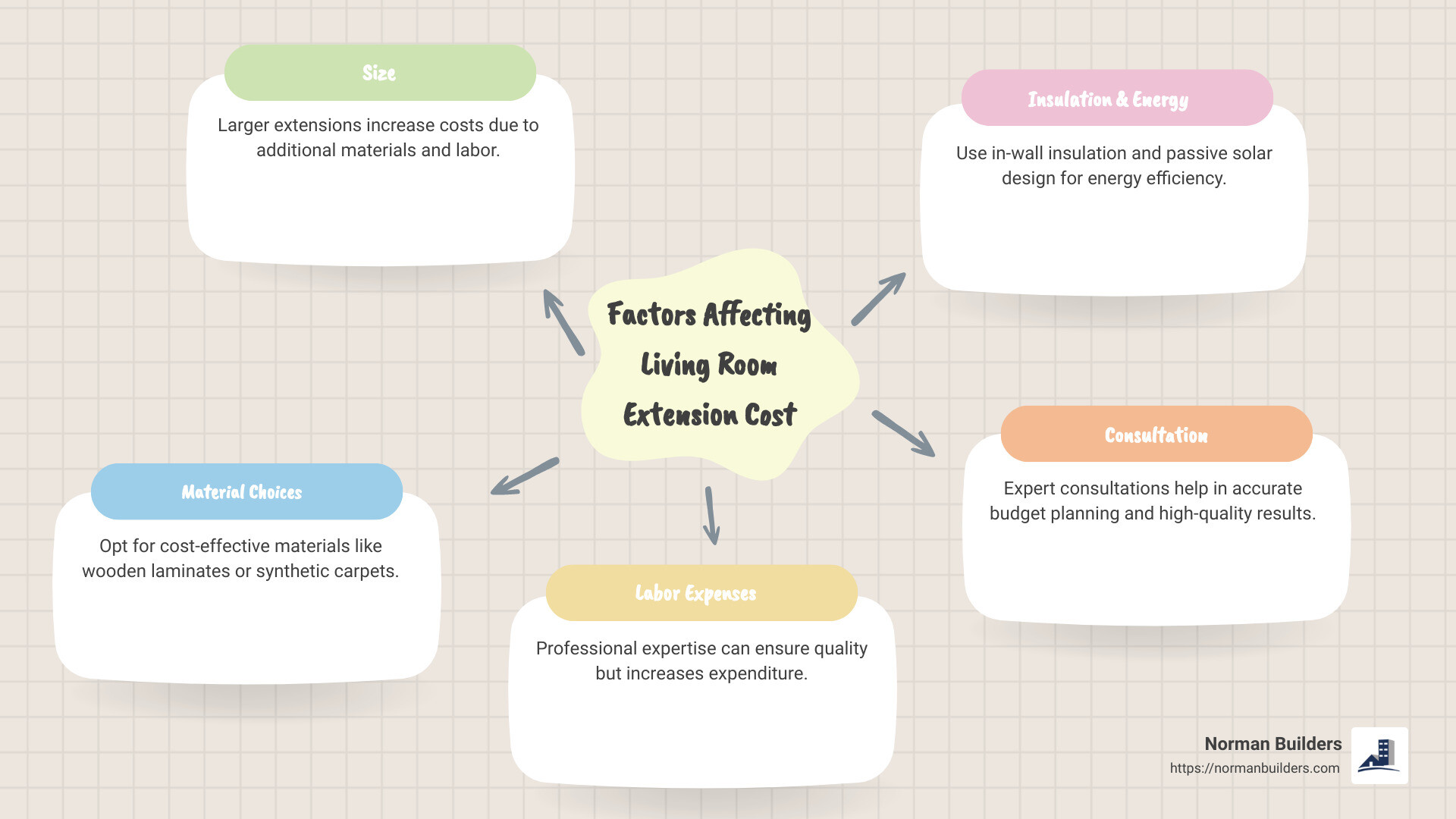
When planning a living room extension, understanding the costs involved is crucial. The overall living room extension cost is influenced by several factors, with square footage being a significant one. Typically, costs can range from $10,000 to $30,000, depending on various elements such as materials, labor, and the complexity of the design.
The size of your extension plays a pivotal role in determining the cost. Generally, the cost per square foot for a living room extension can vary widely. For instance, adding a 200-square-foot living room might cost between $25,000 and $40,000, translating to about $125 to $175 per square foot. Larger extensions might offer a slight reduction in cost per square foot due to economies of scale, but this is not always the case.

Materials significantly impact the cost. Choosing cost-effective options, like synthetic carpet or wooden laminates for flooring, can help manage expenses. Similarly, using engineered wood for siding instead of brick can reduce costs while still providing a durable finish.
Labor costs are another major component. Hiring a general contractor typically adds 10% to 20% to the total project cost. It’s wise to get multiple quotes to ensure competitive pricing. Engaging skilled tradespeople like electricians or plumbers can also add to expenses, but their expertise ensures quality and safety.
The complexity of your design affects the overall cost. Simple, open-plan layouts are generally more affordable than intricate designs with multiple structural changes. For example, removing a non-load-bearing wall to create an open living space is typically straightforward and cost-effective. However, if you need to alter load-bearing walls, expect additional expenses due to the need for structural reinforcements.
Understanding these cost factors can help you plan your living room extension effectively. By balancing square footage, material choices, and design complexity, you can create a beautiful, functional space without breaking the bank.
Extending your living room doesn’t have to drain your wallet. Here are some practical tips to keep your living room extension cost manageable.
Tackling some tasks yourself can save significant money. Consider doing the painting, installing simple fixtures, or even laying down flooring if you’re handy. Simple DIY projects can cut costs without sacrificing quality. Just ensure you have the necessary skills to avoid costly mistakes.
Opt for straightforward designs. An open-plan layout not only creates a sense of space but is also more budget-friendly. Removing a non-load-bearing wall is a simple way to open up your living area without substantial costs. Complexity increases expenses, so keep the design as simple as possible.
Choosing the right materials can drastically reduce costs. Synthetic carpet or wooden laminates are affordable flooring options that still look great. For siding, consider engineered wood instead of brick or stone. It provides durability at a lower cost.
Using cost-effective materials doesn’t mean compromising on quality. It’s about finding the right balance between affordability and aesthetics.
By incorporating these strategies, you can extend your living room affordably. Next, let’s explore the steps involved in planning your extension.
Proper planning is crucial when extending your living room. Let’s explore the essential steps: architectural plans, permits, and site preparation.
Before breaking ground, architectural plans are a must. They provide a clear blueprint of your extension, ensuring everything fits together seamlessly. These plans typically cost between $1,200 and $5,000, depending on the complexity and the professional you hire. Investing in detailed concept drawings can save money in the long run by reducing the likelihood of costly changes later.
Next, you’ll need the right permits. These might include residential, building, and demolition permits, depending on your project. Permit costs can range from $500 to $2,000, influenced by local requirements. It’s wise to consult with a local remodeling consultant to understand the specific regulations for your area. Having the right permits is crucial to avoid legal issues and ensure your extension meets safety standards.
Site preparation is another important step. This involves grading and leveling the land, which typically costs between $1,000 and $5,000. Additionally, you might need site excavation, which could add another $1,500 to $5,000 to your budget. Proper site preparation sets the stage for a successful build, ensuring a solid foundation for your new living space.
By following these steps—creating detailed architectural plans, securing necessary permits, and preparing your site—you’ll set the groundwork for a smooth and successful living room extension. Next, we’ll explore financing options to help fund your project.
Once your plans are set, it’s time to consider financing options to make your living room extension a reality. Here are some ways to fund your project:
A home equity loan is a popular choice for homeowners looking to finance large projects like a living room extension. Think of it as a second mortgage. You borrow against the equity you’ve built in your home, using your house as collateral. The benefit? Home equity loans typically offer lower interest rates than personal loans or credit cards. Plus, with fixed interest rates and set repayment periods, you’ll have predictable monthly payments. If you’ve got significant equity, this option might let you borrow more than a personal loan would allow.
If tapping into home equity isn’t an option, consider a personal loan. These loans don’t require collateral, making them a good choice if you prefer not to put your home at risk. Personal loans can be quicker to obtain, but they often come with higher interest rates compared to home equity loans. However, they offer flexibility in terms of usage and can be a good fit for smaller projects or when you need funds quickly.
For smaller expenses, like purchasing materials or paying for minor labor, credit cards can be useful. They provide convenience and often come with rewards or cashback offers. However, be cautious of high-interest rates, which can add up if you don’t pay off the balance quickly. Credit cards are best for short-term financing or when you can take advantage of a 0% introductory APR offer.

Choosing the right financing option depends on your financial situation, the living room extension cost, and your comfort level with different types of debt. By carefully considering these options, you can find a financing solution that fits your needs and budget.
Building an extra living room can vary significantly in cost. On average, you might expect to pay between $25,000 and $75,000. However, this range can stretch further depending on your specific project details, like location and materials.
To break it down, consider the cost per square foot. In many cases, you might see costs starting from around $10 per square foot for basic finishes and materials. Though, that more complex designs or premium materials will push this number higher.
Several key factors influence the overall cost of your living room extension:
Saving money on your living room extension is possible with a few smart strategies:
Implementing these tips can help you manage your living room extension cost while achieving a beautiful and functional space.
At Norman Builders, we take pride in offering personalized service and exceptional craftsmanship for all your home extension needs. Our team understands that extending your living room is not just about adding space; it’s about enhancing your home’s comfort and value.
We work closely with you to ensure every detail aligns with your vision and budget. Our approach is simple yet effective: we listen to your ideas, provide expert guidance, and execute the project with precision. Our commitment to quality craftsmanship means that every project, big or small, is completed to the highest standards.
Whether you’re looking to create an open-plan layout or simply add a touch of elegance to your existing space, we are here to help. Our experience in the Merrimack Valley, North Shore, Seacoast, and Southern NH areas ensures that we understand local building regulations and can steer any challenges that may arise.
Choosing Norman Builders means choosing a partner dedicated to making your home extension a seamless and rewarding experience. We invite you to explore our comprehensive guide to home addition costs to learn more about how we can bring your dream living room extension to life.
Find more about home addition costs with Norman Builders.
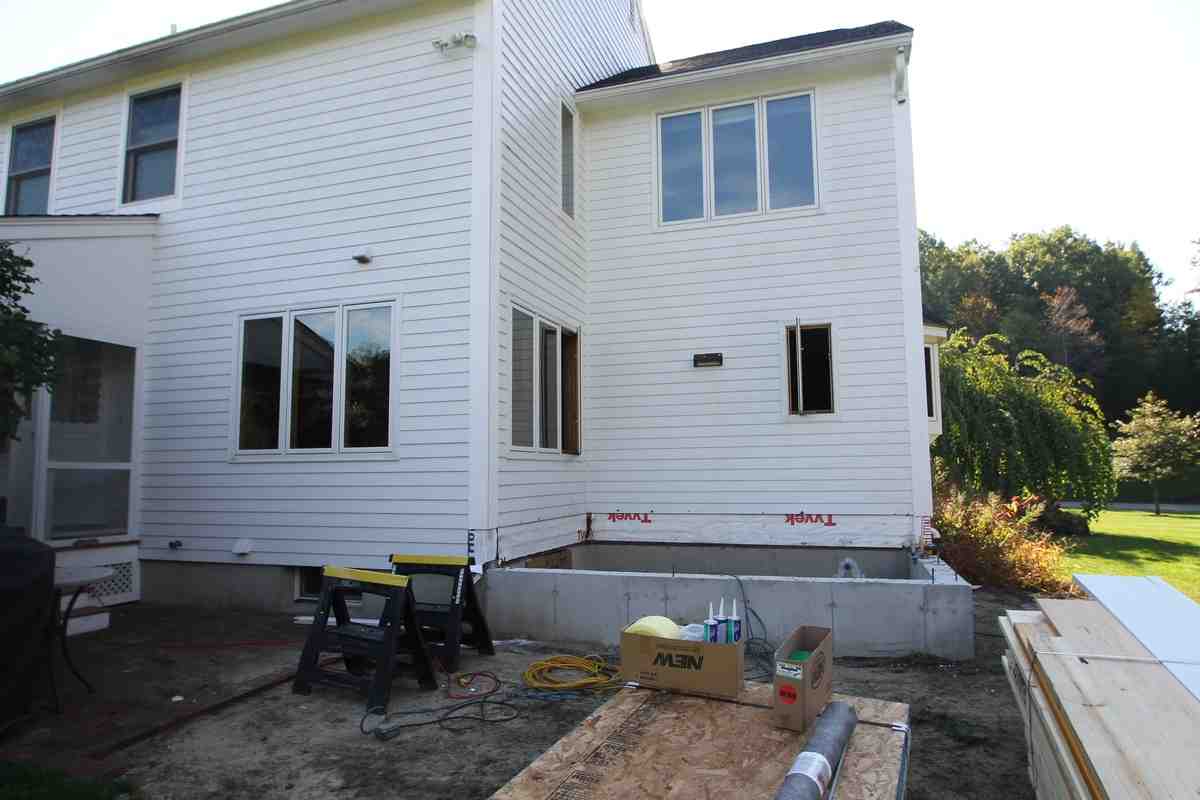
We specialize in high-quality home construction and remodeling services, delivering exceptional craftsmanship tailored to meet your vision and needs. Whether you’re planning a renovation, new construction, or a custom remodel, our experienced team is committed to exceeding expectations with precision, attention to detail, and reliable service.
Our service area includes the Merrimack Valley, North Shore, Seacoast, and Southern NH Areas. We take pride in the quality of our workmanship and our prompt professionalism.
Contact us today to bring your project to life!