

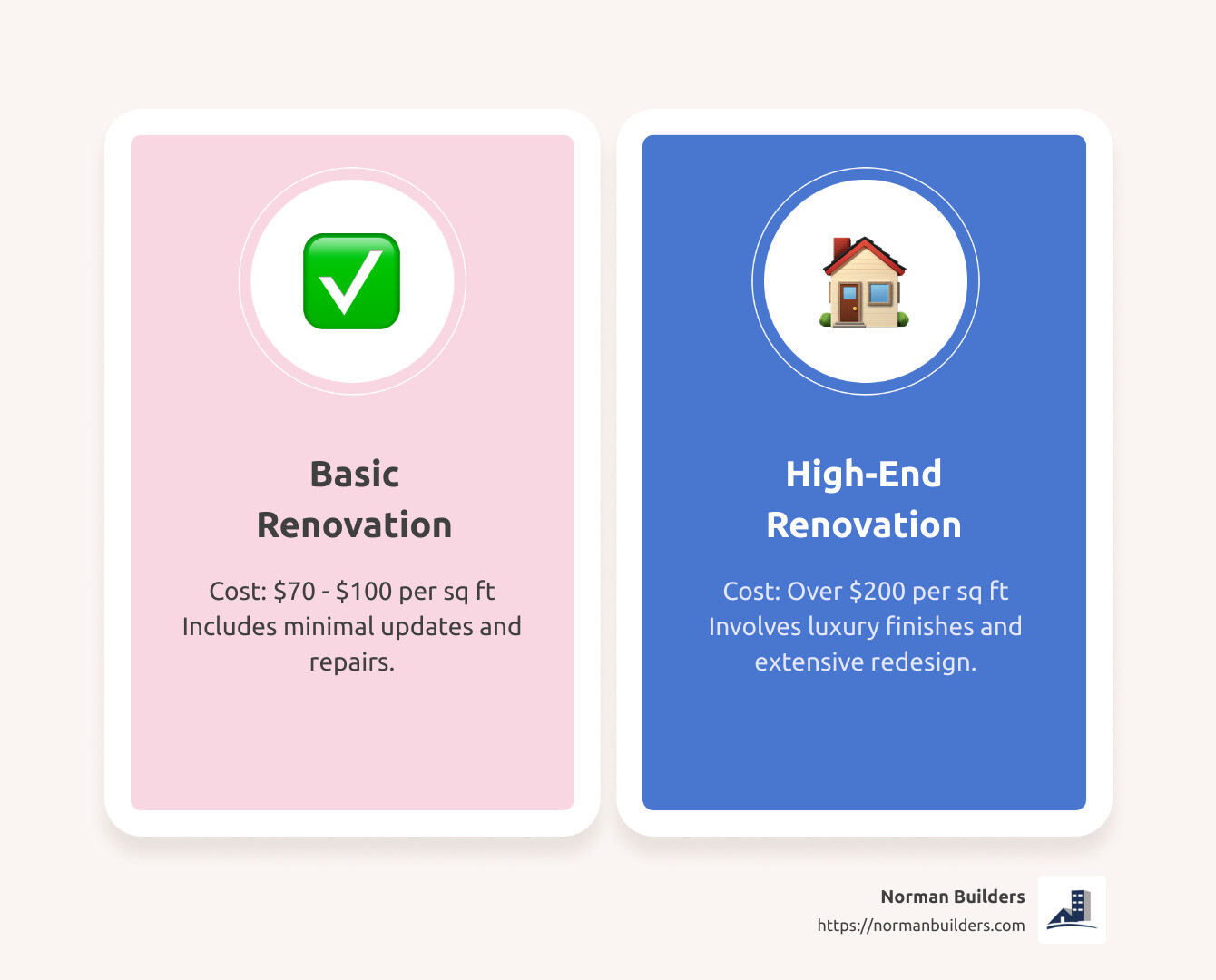
How much does it cost to renovate a whole house is the key question at the heart of numerous homeowners’ dreams of change. The cost varies widely, primarily depending on location, house size, and the extent of renovation needed. Here’s a quick snapshot:
Renovating an entire house is more than an investment—it’s an opportunity to breathe fresh life into your home, improve your living experience, and potentially increase property value. However, considering the effort and expense involved, the importance of selecting a reliable and skilled partner like Norman Builders cannot be overstated.
I’m Ryan Norman, founder of Norman Builders, your trusted guide in understanding how much does it cost to renovate a whole house. With a background in technology and real estate, and years of experience in the building industry, I’m here to streamline the renovation process for you. In the sections that follow, you’ll gain a clearer picture of key factors influencing costs and how Norman Builders can bring your vision to life.
Similar topics to how much does it cost to renovate a whole house:
– home renovation costs
– house renovation costs
– home addition costs
When it comes to how much does it cost to renovate a whole house, several key factors can significantly impact the final price tag. Understanding these can help you plan and budget more effectively.
Home Size: The larger the home, the more materials and labor are required, which naturally increases costs. A small house might be renovated for less than a sprawling estate.
Home Age: Older homes often present unique challenges. They may require updates to meet current building codes, or have hidden issues like outdated wiring or plumbing.
Where you live matters. Renovation costs vary widely by region due to differences in labor rates and material costs. For example, renovating in a metropolitan area might be pricier than in a rural setting.
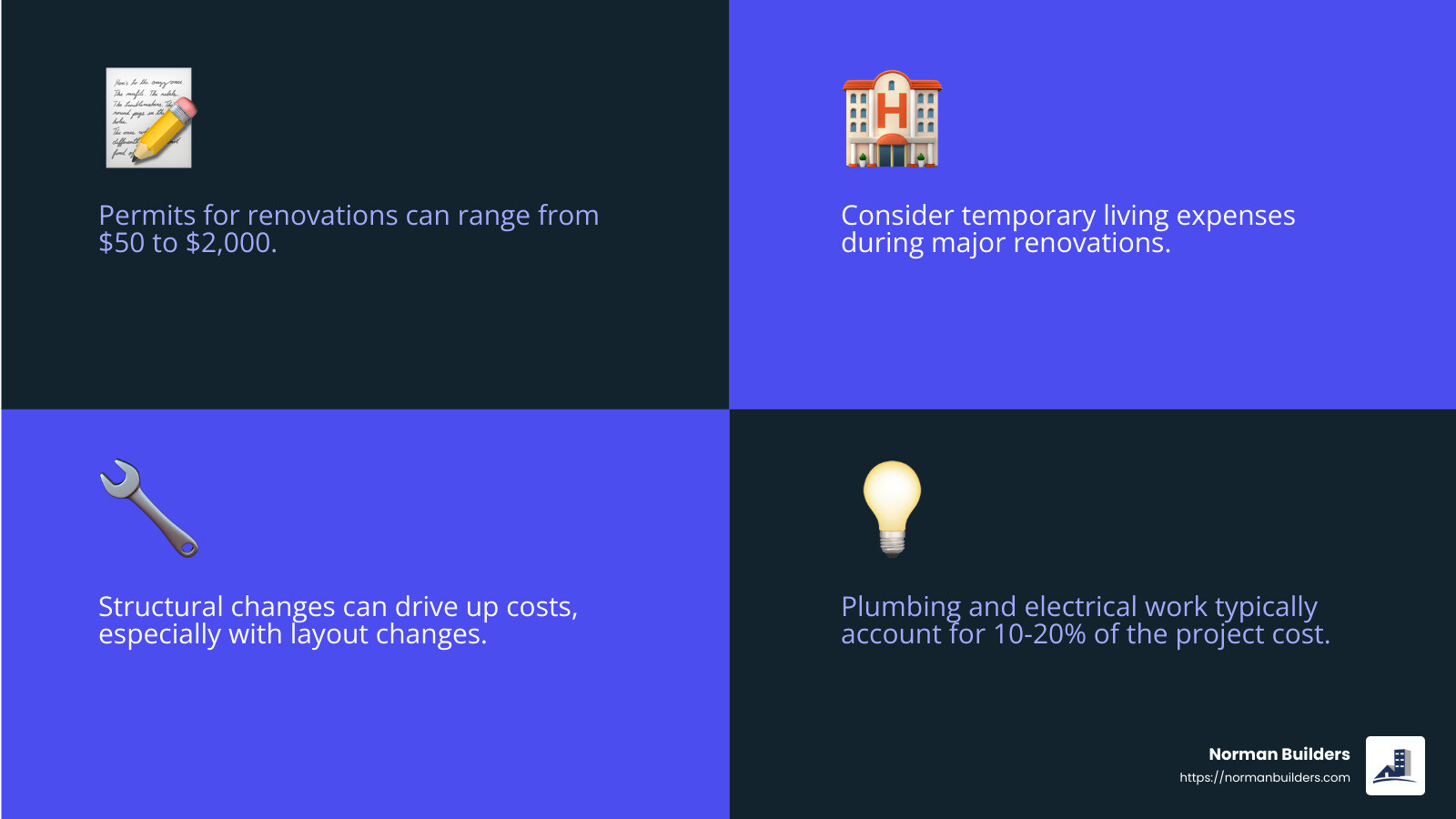
Don’t forget about permits! Depending on the scope of your project, you might need permits ranging from $50 to $2,000. These are necessary for legal compliance and safety.
If your renovation is extensive, you might need to move out temporarily. Budget for potential hotel stays, or increased dining costs if your kitchen is out of commission.
Changing the layout of your home—like knocking down walls to create an open concept—can be costly. It often involves structural changes and reworking utilities like plumbing and electrical systems.
New appliances can modernize and increase the functionality of your home, but they add to your budget. Buyers of new homes spend about $4,000 on appliances within the first year, while those purchasing existing homes spend around $2,500.
Unpleasant surprises like mold or asbestos can drive up costs. Remediation is essential for health and safety but can add thousands to your budget.
Foundation issues need immediate attention and can be expensive. They are crucial for the structural integrity of your home.
Upgrading these systems ensures efficiency and safety but can be costly. Plumbing and electrical work typically account for 10 to 20% of the project cost. HVAC upgrades can also add significantly to the budget.
Labor costs vary by region and the complexity of the work. Hiring skilled professionals, like contractors or interior designers, can impact costs but ensures quality and compliance with building standards.
Understanding these factors can help you plan your renovation effectively. In the next section, we’ll dive into average costs and explore how different renovation scopes impact your budget.
When planning a whole house renovation, understanding the costs involved is crucial. How much does it cost to renovate a whole house can vary greatly depending on several factors, including the rooms being updated and the scope of the project.
The average cost to renovate a house ranges from $20,000 to $100,000, with costs significantly influenced by the size of the home and the quality of materials used. On a per square foot basis, you can expect to spend between $15 to $60 for a whole house renovation. For more extensive projects, like a complete gut renovation, costs climb to $60 to $150 per square foot.
Each renovation project is unique, and costs can vary based on individual circumstances and choices. In the next section, we’ll explore common renovation projects and their associated costs to help you plan your budget effectively.
When considering a whole house renovation, understand the costs associated with different types of projects. Here’s a breakdown of common renovation projects and what you might expect to pay for each.
A kitchen remodel is often the most expensive renovation project. The costs can range from $10,000 to $50,000, depending on the scope. This includes expenses for cabinetry, countertops, flooring, and appliances. For those looking for luxury upgrades, costs can soar past $65,000. Kitchens offer a wide array of upgrade options, which can significantly influence the overall budget.
Bathroom remodels typically cost between $9,000 and $20,000. Common upgrades include new fixtures, tiles, vanities, and improvements to showers and tubs. The cost per square foot for a bathroom remodel generally falls between $70 and $250.
Adding a bedroom to your home can be a valuable investment. Expect to spend anywhere from $20,000 to $75,000 for a new bedroom addition. This cost includes construction, permits, and interior finishes. A bedroom addition can significantly increase the functional space and value of your home.
Updating a living room is generally less costly than kitchens or bathrooms. Projects in this area might cost between $5,000 and $10,000. This can include new flooring, lighting, and paint. A living room update is a great way to improve the comfort and aesthetic appeal of your home without breaking the bank.
Turning a basement into a livable space can cost between $12,300 and $33,300. This project often involves adding insulation, flooring, and drywall, as well as electrical and plumbing work. Basements offer versatile space that can be transformed into a family room, office, or even an additional bedroom.
Converting an attic into a functional living space is a popular renovation choice, with costs ranging from $15,000 to $50,000. This includes adding windows, insulation, and flooring. Attic conversions can add valuable square footage and serve as a unique living area or storage space.
A garage remodel can vary greatly in cost, from $3,000 to $15,000, depending on whether you’re updating or converting it into a livable space. Considerations may include insulation, flooring, and electrical work. A well-executed garage remodel can add both convenience and value to your home.
Enhancing outdoor spaces can also be a significant renovation project. The costs for projects like decking, landscaping, and patio upgrades can vary widely but typically range from $5,000 to $20,000. Outdoor renovations can greatly improve curb appeal and provide additional areas for relaxation and entertainment.
Understanding these common renovation projects and their associated costs can help you plan and prioritize your home renovation budget effectively. In the next section, we’ll explore how to budget for your whole house renovation, including setting a budget, financing options, and cost-saving tips.
When starting on a whole house renovation, setting a realistic budget is crucial. Here’s how you can manage your finances effectively to ensure a smooth renovation process.
Start by determining how much you can afford to spend. Consider the average costs for different types of renovations, as discussed earlier. Use a home remodel cost estimator spreadsheet to get a clearer picture of potential expenses.
Break down your budget by room and scope. For instance, allocate funds for high-priority areas like the kitchen and bathroom, which often have higher costs. Keep a contingency fund—typically 10-20% of your total budget—for unexpected expenses.
If your renovation budget exceeds your savings, financing can help bridge the gap. Consider these options:
Renovations can be expensive, but there are ways to save money:
Deciding whether to do it yourself or hire professionals depends on your skills and the project’s complexity. DIY can save money, but it might take more time and effort. Hiring professionals ensures quality and adherence to building codes, especially for plumbing and electrical work.
When working with contractors, obtaining multiple quotes is a must. This helps you compare prices and find the best fit for your project. Ask for itemized contracts to avoid disputes later.
By setting a clear budget, exploring financing options, and considering cost-saving strategies, you can manage your whole house renovation effectively. In the next section, we’ll address frequently asked questions about renovation costs, helping you make informed decisions.
Whether $100,000 is enough to renovate a house depends largely on the scope of your project, the size of your home, and your geographic location. In many cases, this budget can cover significant renovations for a mid-sized home, especially if you’re focusing on cosmetic updates or midrange remodels.
For example, a kitchen renovation can cost between $10,000 and $50,000, while a bathroom remodel might range from $9,000 to $20,000, depending on the finishes and fixtures you choose.
If you’re considering a whole house renovation, prioritizing certain areas like the kitchen and bathrooms can maximize your budget’s impact. Remember to set aside a contingency fund (10-20% of your budget) for unexpected costs, such as structural repairs or mold remediation.
The most expensive parts of a house renovation typically include:

The decision to renovate or build from scratch depends on several factors, including the condition of your current home, your budget, and your personal preferences.
Renovating a house can be more cost-effective if you’re making targeted updates or if your home’s structure is sound. It also allows you to preserve the character and charm of an older home.
Building from scratch might be a better option if your current home requires extensive repairs or if you desire a completely new design. New builds can offer modern layouts and energy-efficient features that might be costly to retrofit into an older home.
The choice between renovating and building depends on your specific needs and goals. Consider consulting with a contractor or architect to explore the best option for your situation.
In summary, renovating a whole house involves many factors, from the size and age of your home to the specific updates you want. Costs can vary widely, but understanding these factors can help you plan effectively and avoid surprises.
At Norman Builders, we specialize in delivering high-quality, custom renovations that cater to your needs and preferences. Our team is dedicated to providing exceptional craftsmanship and personalized service, ensuring your renovation journey is smooth and successful.
When planning your renovation, remember to set a realistic budget and consider getting multiple quotes to find the best value for your investment. Whether you’re updating your kitchen, adding a new bedroom, or revamping your living space, careful planning and professional guidance can make all the difference.
For more information on whole house renovations and to see how we can help transform your home, visit our Whole House Renovations page.
A well-planned renovation can improve your home’s value and your quality of life. With the right approach and the support of a trusted partner like Norman Builders, you can create a space that truly feels like home.
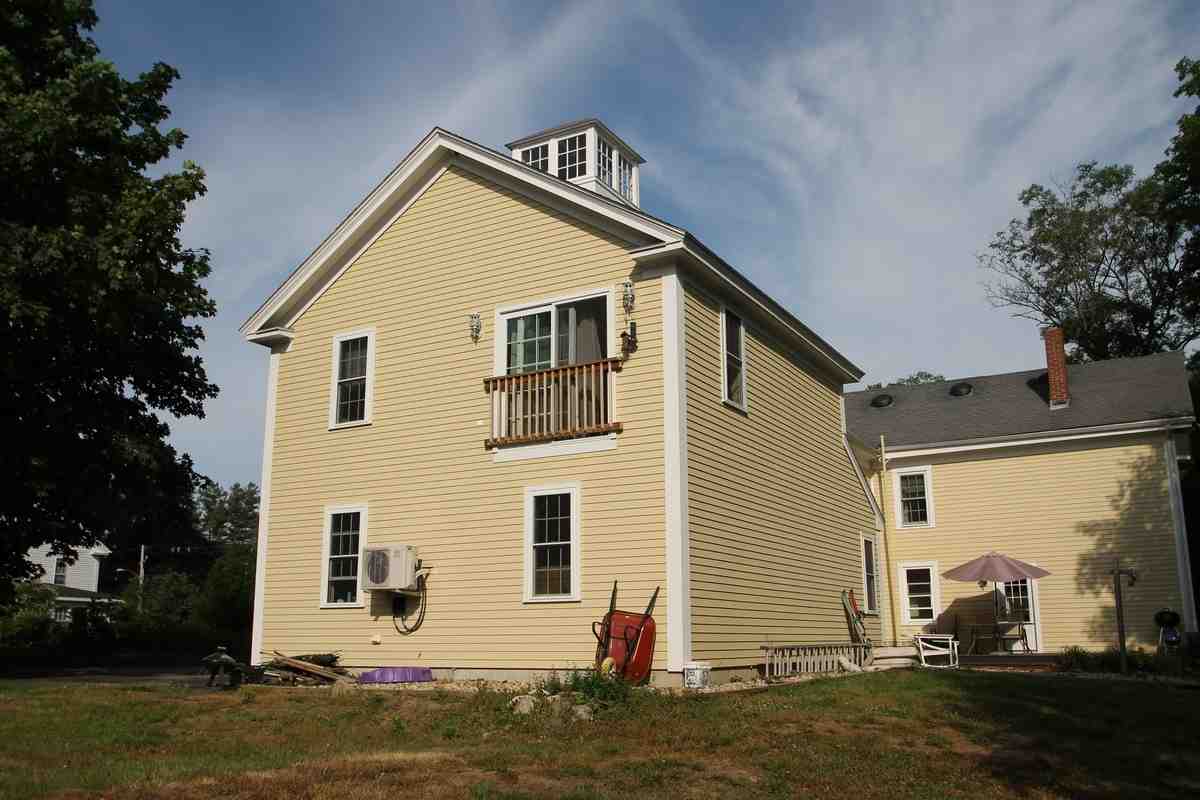
We specialize in high-quality home construction and remodeling services, delivering exceptional craftsmanship tailored to meet your vision and needs. Whether you’re planning a renovation, new construction, or a custom remodel, our experienced team is committed to exceeding expectations with precision, attention to detail, and reliable service.
Our service area includes the Merrimack Valley, North Shore, Seacoast, and Southern NH Areas. We take pride in the quality of our workmanship and our prompt professionalism.
Contact us today to bring your project to life!