

When thinking about building a house, the first question often is: how much does building a house cost? Whether you’re dreaming of a custom home in the Merrimack Valley or considering a pre-built option in North Carolina, understanding the cost factors is crucial.
For a quick answer: the average cost of building a house in North Carolina ranges from $80,000 to $600,000, depending on size, materials, and location.
By breaking down these elements, we’ll guide you through the factors influencing costs, the benefits of custom versus pre-built homes, and the potential savings you can achieve.
My name is Ryan Norman, and with over 13 years of experience in custom home building, I’ve helped countless homeowners steer the complexities and costs of building their dream homes. Let’s explore the details to ensure your investment is well-spent and brings your vision to life.

Simple how much does building a house cost glossary:
– how does building a custom home work
– how much do custom homes cost to build
– how to choose a custom home builder
When thinking about building a house, the first question often is: how much does building a house cost? Whether you’re dreaming of a custom home in the Merrimack Valley or considering a pre-built option in North Carolina, understanding the cost factors is crucial.
One of the first expenses you’ll encounter is the cost of land. In North Carolina, for instance, the average cost per acre is approximately $27,396, but this can vary widely based on location.
For example, in Lexington, you could find 2.7 wooded acres near High Rock Lake for $59,900, while a half-acre in a new subdivision in Mooresville might cost $150,000.
Materials make up a significant portion of your budget. Here’s a breakdown of some key components:
For instance, roofing costs can vary based on materials used. Asphalt shingles are the most common, costing $4.25 to $4.95 per square foot, while more durable options like metal panels can cost $10 to $17.05 per square foot.
Labor is another major expense. Costs can vary depending on the region and the complexity of the build:
Regional variations also play a role. Urban areas usually have higher labor costs due to higher living expenses, while rural areas might offer more competitive rates.
Before construction can begin, you’ll need to secure various permits and prepare the site:
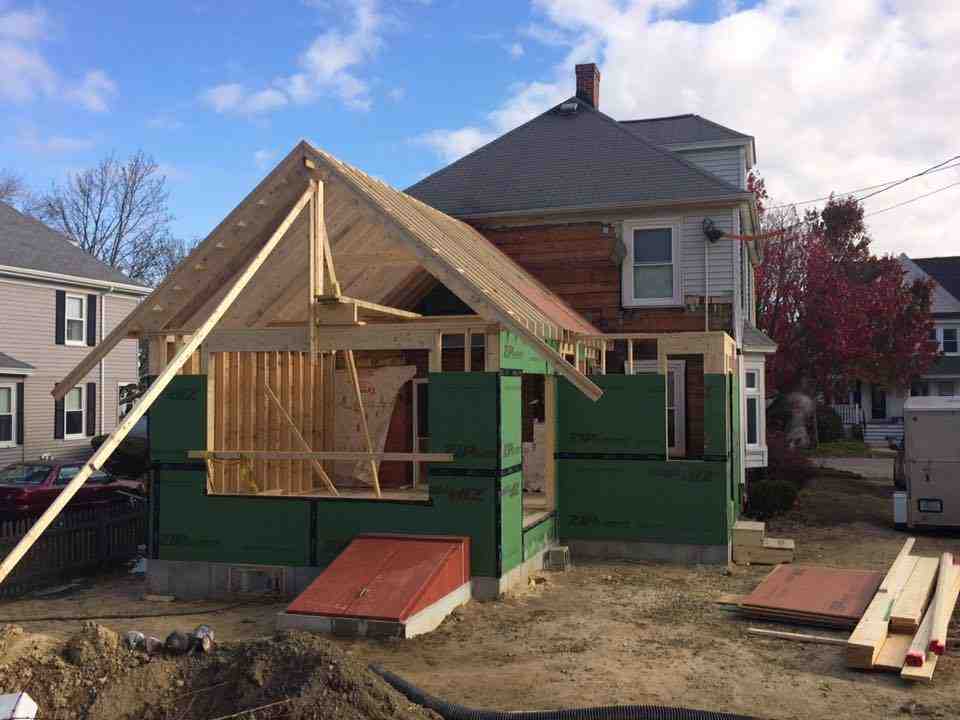
Site preparation includes clearing the land, excavation, and laying the foundation. Most new homes in North Carolina are built on concrete slabs, which are less expensive than basements but offer fewer options for future renovations.
By breaking down these elements, we’ll guide you through the factors influencing costs, the benefits of custom versus pre-built homes, and the potential savings you can achieve.
Next, let’s explore how much does building a house cost in more detail, focusing on average costs per square foot and total cost ranges.
When considering how much does building a house cost, you need to look at both the average cost per square foot and the total cost range. These figures can help you plan your budget more effectively and understand what to expect.
The cost per square foot is a critical metric for estimating your overall expenses. This can vary significantly based on whether you’re building a basic home or a custom home and where you’re building.
Regional Differences:
Understanding the total cost range can give you a clearer picture of your financial commitment. This includes all expenses from land acquisition to finishing touches.
Average Range:

Costs can vary widely across different regions due to factors like local building codes, labor availability, and material costs.
For example, building in a coastal area in North Carolina could involve additional costs for hurricane-resistant materials, while building in the mountains might require stronger foundations to handle the sloped terrain.
In summary, the cost of building a house can range widely based on various factors, but understanding the average cost per square foot and the total cost range can help you plan more effectively.
Next, let’s dive into the factors influencing the cost of building a custom home, such as home size, design complexity, and material quality.
The size and design of your home are major factors in determining the overall cost.
Square Footage: The larger the home, the more materials and labor required, which drives up costs. For instance, a 1,000 sq. ft. home might cost between $100,000 and $200,000, while a 2,500 sq. ft. home could range from $250,000 to $500,000.
Architectural Design: Custom designs often involve unique architectural elements that can increase costs. According to a Reddit user, homes designed by architects can cost upwards of $400 per square foot due to their bespoke nature. Simple, boxy designs tend to be more economical, while complex, multi-story designs with custom features can significantly raise the price.
Custom Features: Adding custom features like vaulted ceilings, large windows, or specialized rooms (e.g., home theaters) can also add to the design complexity and cost. These elements require more skilled labor and specialized materials, contributing to higher expenses.
The quality of materials used in construction plays a crucial role in the overall cost.
Builder-Grade Materials: Using standard, builder-grade materials can keep costs lower. These materials are functional but not necessarily high-end, making them a cost-effective choice for those on a tighter budget.
High-End Finishes: Opting for luxury finishes like granite countertops, hardwood floors, and custom cabinetry can significantly increase costs. Interior finishes are often the most expensive part of building a home, encompassing items like fireplaces, countertops, and flooring.
Energy-Efficient Options: Investing in energy-efficient materials and systems, such as high-quality insulation, energy-efficient windows, and solar panels, can have higher upfront costs but offer long-term savings on utility bills. Integrating these features can also increase the home’s resale value.
Where you choose to build your home can greatly affect the cost.
Urban vs. Rural: Building in urban areas like Charlotte or Raleigh tends to be more expensive due to higher land costs and stringent building codes. Conversely, rural areas may offer cheaper land and fewer regulations, but they might lack certain amenities and services, potentially adding to costs in other ways.
Local Building Codes: Different regions have varying building codes and permit requirements. For example, coastal areas in North Carolina might require hurricane-resistant materials, while mountainous regions might need stronger foundations. These requirements can add to the complexity and cost of construction.
Climate Impact: The local climate can also influence construction costs. In areas prone to extreme weather, additional measures may be necessary to ensure the home’s durability. This can include reinforced structures, specialized roofing, and advanced HVAC systems.
Understanding these factors can help you make informed decisions and better plan your budget when considering how much does building a house cost. Next, we’ll explore the differences between building a custom home and buying a pre-built home.
When deciding between a custom home and a pre-built home, the first thing to consider is the initial cost. Custom homes typically have higher upfront costs due to their unique design, choice of materials, and the complexity of the construction process. For instance, building a custom home might start around $200,000 for smaller homes but can easily exceed $500,000 for larger, more elaborate designs.
In contrast, pre-built homes are generally less expensive. They benefit from economies of scale, as developers often build multiple homes at once, reducing costs. On average, a new pre-built home in North Carolina costs about $125 per square foot, translating to around $250,140 for a 2,000-square-foot home.
Long-term savings can also differ. Custom homes, built to your specifications, can include energy-efficient features and high-quality materials that reduce maintenance costs and utility bills over time. Although the initial investment is higher, the resale value of a well-built custom home can be significantly greater, potentially offering better returns in the long run.
One of the biggest advantages of building a custom home is the design flexibility. You have the freedom to choose everything from the layout and room configurations to the materials and finishes. This level of customization means you can create a home that perfectly fits your lifestyle and preferences.
Material choices are also entirely up to you. Whether you opt for builder-grade materials to keep costs down or high-end finishes for a luxurious feel, the decision is yours. Custom homes can include unique features like specialized rooms, custom cabinetry, and energy-efficient systems that are rarely found in pre-built homes.
On the other hand, pre-built homes often require compromises. While you might find a home that meets most of your needs, it’s unlikely to have everything you want. Renovations and adjustments can add to the cost and time after purchase.
Building a custom home can be a smart investment due to its long-term value. Custom homes are usually built with higher-quality materials and superior construction techniques, which means they often require less maintenance and are more durable.
Energy efficiency is another significant factor. Custom homes can be designed with energy-saving features like high-quality insulation, energy-efficient windows, and even solar panels. These features might increase the initial cost but lead to substantial savings on utility bills over time. Additionally, they can make your home more attractive to future buyers, increasing its resale value.
New custom homes also come with new home warranties, covering various aspects of construction and materials, which can provide peace of mind and reduce unexpected expenses.
Building a custom home is a lengthy process compared to buying a pre-built one. The journey involves several phases:
In contrast, pre-built homes offer the advantage of immediacy. They are often move-in ready, allowing you to settle quickly, usually within 1-2 months after purchase. This makes them an attractive option for those who need to move in a shorter timeframe.
By understanding these differences, you can better decide whether building a custom home or buying a pre-built one aligns with your goals and circumstances. Next, we’ll explore some cost-saving tips for building a custom home.
Building a custom home can be costly, but making smart choices and strategic planning can help you stay within budget.
Cost-effective materials are a great place to start. For instance, instead of opting for expensive hardwood floors, consider high-quality laminate or engineered wood. These alternatives can provide the same look and durability at a fraction of the cost.
An efficient design can also save you money. Simple shapes like rectangles and squares are easier and cheaper to build than complex shapes with multiple corners and angles.
Experienced contractors are worth their weight in gold. They can provide valuable advice on cost-saving measures and help you avoid expensive mistakes. Look for builders with a strong track record and good reviews from past clients.
Investing in energy-efficient features might seem expensive upfront, but it can save you a lot of money in the long run. For example, high-quality insulation and energy-efficient windows can significantly reduce your heating and cooling costs.
Solar panels are another excellent investment. While the initial installation cost is high, solar panels can drastically cut your electricity bills and might even qualify you for tax credits and incentives.
Energy-saving appliances are also a smart choice. They use less electricity and water, leading to lower utility bills. Over time, these savings can add up, making your home more affordable to live in.
Teaming up with local builders can offer several advantages. Local builders are familiar with regional construction regulations and can help you steer the permitting process more smoothly.
Local expertise can also lead to cost-effective solutions. Experienced local builders know where to source materials at the best prices and can recommend reliable subcontractors.
Moreover, working with local builders can help you avoid costly mistakes. They understand the local climate and can advise you on building techniques and materials that will stand up to North Carolina’s weather conditions.
By making smart choices, investing in energy efficiency, and partnering with knowledgeable local builders, you can build your dream custom home without breaking the bank. Next, we’ll answer some frequently asked questions about building a custom home.
In most cases, buying a house is cheaper than building one. For instance, the median sale price for single-family homes in Massachusetts is around $500,000. On the other hand, building a new home can cost significantly more, especially when you factor in land costs, permits, and custom features.
Building a custom home offers the advantage of personalization, but it comes with higher initial costs. Custom homes typically start at around $300,000 for smaller sizes, but prices can escalate based on your choices and design complexity. For a more detailed comparison, the average cost to build a home in Massachusetts is about $250 per square foot.
Building a 2,000-square-foot house in Massachusetts costs approximately $500,000. This estimate is based on an average cost of $250 per square foot. However, the total cost can vary depending on several factors:
Building a house in Massachusetts typically takes 6 to 10+ months. This timeframe does not include the architectural design phase or site preparation, such as land clearing and excavation. Several factors can influence the construction duration:
By understanding these factors, you can better plan and manage the building process for your custom home. Next, we’ll explore the factors influencing the cost of building a custom home.
Building a custom home is a significant investment, but it offers unparalleled benefits in terms of personalization and long-term satisfaction.
At Norman Builders, we specialize in delivering top-tier, custom-built homes with exceptional craftsmanship and personalized service. Located in Newton, New Hampshire, we serve the Merrimack Valley, North Shore, Seacoast, and Southern NH areas. Our experienced team ensures that every detail of your dream home is carefully planned and executed.
Building a custom home is an exciting journey that allows you to create a space uniquely suited to your needs and preferences. While it may require a higher initial investment and more time compared to buying a pre-built home, the long-term benefits can be substantial. From energy efficiency to personalized design, a custom home offers a level of satisfaction that is hard to match.
If you’re considering building a custom home in Andover, MA, we invite you to explore our custom home building services at Norman Builders. Our team is here to guide you through every step of the process, ensuring your vision becomes a reality.
By understanding the costs and benefits, you can make an informed decision that aligns with your lifestyle and financial goals. Ready to start your custom home journey? Contact Norman Builders today to begin planning your dream home.
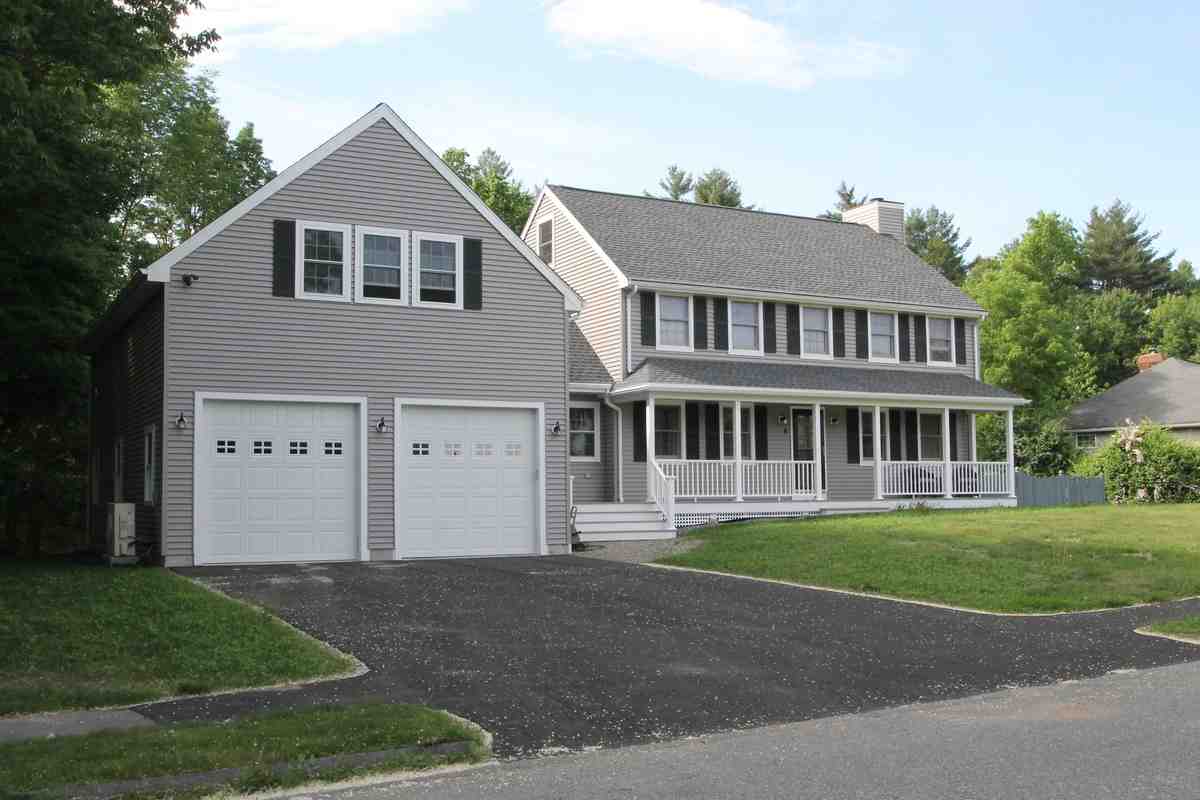
We specialize in high-quality home construction and remodeling services, delivering exceptional craftsmanship tailored to meet your vision and needs. Whether you’re planning a renovation, new construction, or a custom remodel, our experienced team is committed to exceeding expectations with precision, attention to detail, and reliable service.
Our service area includes the Merrimack Valley, North Shore, Seacoast, and Southern NH Areas. We take pride in the quality of our workmanship and our prompt professionalism.
Contact us today to bring your project to life!