

How does building a custom home work? If you’re wondering, it involves several key steps, including:
Building a custom home is an exciting yet intricate trip. The process allows you to create a living space custom to your unique vision and needs. However, understanding the journey from blueprint to reality is crucial for a successful project.
At Norman Builders, we’ve simplified this process for many homeowners, ensuring high-quality craftsmanship and personalized service. With over 13 years of experience, our team has become experts in guiding clients through every step of custom home building, changing their dreams into stunning realities.
I’m Ryan Norman, the founder of Norman Builders. My background in technology, real estate, and property management has equipped me with the skills and expertise to answer all your questions about how does building a custom home work.
To get a quick overview of the entire custom home building process, check out the infographic below:

Let’s explore each step in detail to make your custom homebuilding experience as smooth as possible.
Easy how does building a custom home work glossary:
– custom homes
– house builders
– new home builders near me
The first step in building your custom home is selecting and purchasing the right lot. This decision sets the stage for everything that follows. Here’s what you need to consider:
When choosing a lot, remember not all space is buildable. Factors like local zoning laws, environmental regulations, and homeowner’s association (HOA) guidelines can limit where and how you can build.
Not every part of your lot may be suitable for building. Here’s what to look out for:

Before purchasing a lot, check for existing infrastructure:
If sustainability is a priority, consider the solar orientation of your lot. Positioning your home to maximize natural light can help reduce energy consumption and get you closer to achieving net-zero energy use.
Given the complexities involved, hiring a professional surveyor can be invaluable. They can help identify:
A good real estate agent can help you steer this process:
Tip: In competitive markets, consider lots with existing structures that can be torn down. This might extend your timeline but could offer a better location.

Choosing the right lot is a crucial first step in custom home building. Take your time, do your research, and consult professionals to ensure you make an informed decision. Once you’ve secured the perfect lot, you’re ready to move to the next exciting phase: creating a detailed home design.
Next, we’ll dive into the design phase, where you’ll work with architects and designers to bring your vision to life.
Building a custom home is a big financial commitment. So, how does building a custom home work when it comes to budgeting and financing? Let’s break it down.
Start by setting a realistic budget. Your budget needs to cover:
Tip: Always include a buffer for unexpected expenses. Construction projects often face delays and cost overruns.
Next, you’ll need to secure a construction loan. This type of loan covers the cost of building your home and is typically short-term, usually up to one year. During the construction phase, you only pay interest on the loan. Once the home is built, the loan converts to a traditional mortgage.
After the construction is complete, your loan converts to a traditional mortgage. This is when you start making regular mortgage payments.
Your budget should align with your financial capacity and the cost of similar homes in your chosen neighborhood. Here’s how to ensure your budget is realistic:
Ensure your budget is supported by the neighborhood. If you build a home that’s significantly more expensive than others in the area, it might not hold its value.
Your lender will play a crucial role in financing your custom home. They can also help you find a reputable builder. Make sure to:
Working with a financial advisor can help you steer the complexities of financing your custom home. They’ll assist you in:
With a clear budget and secured financing, you can confidently move into the next phase: the design phase. Here, you’ll bring your vision to life with the help of architects and designers.
The design phase is where your dream home starts to take shape. This is the stage where you’ll work with an architect to create blueprints, finalize design plans, and customize every detail.
Your journey begins with choosing the right architect. An architect is crucial for translating your ideas into a workable plan. They will:
Tip: Look for architects with experience in custom homes and check their portfolio.
Once you and your architect agree on a design, the next step is creating blueprints. These detailed drawings include:
Blueprints are essential for getting accurate bids from builders and securing permits.
Your design plans will cover both the interior and exterior of your home. This includes:
Customization is key here. You have the freedom to design spaces that fit your lifestyle, whether it’s a home office, a gourmet kitchen, or a cozy reading nook.
The schematic design phase involves creating a rough layout of your home. This phase focuses on:
Next is design development. Here, your initial sketches become more detailed. This phase includes:
Some builders, like Norman Builders, offer immersive design experiences. This means you can:
This step ensures you are happy with every detail before construction begins.
Working with Norman Builders means you’ll have a dedicated team guiding you through each step. From initial sketches to final blueprints, they ensure your vision becomes a reality.
Pro Tip: Keep an open line of communication with your architect and designers. Regular updates and feedback sessions can prevent costly changes later.
With your design plans finalized, you’re ready to move on to the pre-construction steps. This is where your dream home starts to become a reality.
Once your design plans are in place, the next phase is pre-construction. This stage involves several critical steps to ensure that your custom home build goes smoothly.
Before any construction can begin, you need to secure the necessary permits. These legal documents allow you to build on your chosen lot. The permits you might need include:
Tip: Start this process early, as obtaining permits can take time, especially if there are any issues or delays.
If your lot is in a community with a Homeowner’s Association (HOA), you’ll need their approval. HOAs often have guidelines on:
Pro Tip: Review your HOA rules thoroughly to avoid any surprises later.
Securing a construction loan is another crucial step. This type of loan covers the cost of building your home and is typically converted into a mortgage once construction is complete. To get a construction loan, you’ll need:
Advice: Consult with your lender to understand the loan terms and make sure you have a clear financial plan.
Finalizing your budget is essential. This budget should cover all aspects of the build, including:
Fact: It’s wise to allocate at least 10-15% of your budget for unexpected expenses.
Before construction can start, the site must be prepared. Site preparation includes:
Tip: Visit the site regularly to monitor progress and address any issues early.
Once the site is prepped, it’s time to lay the foundation. This step includes:
Fact: The foundation is crucial for the stability of your home, so ensure it’s done correctly.
After the foundation is set, the next step is installing the plumbing systems. This involves:
Advice: Conduct a walk-through to confirm the placement of plumbing fixtures.
Finally, the electrical work begins. This step includes:
Tip: Double-check the placement of outlets and switches to ensure they meet your needs.
With these pre-construction steps completed, your custom home build is ready to move into the construction phase. This is where your dream home starts to take physical shape.
Now that we’ve covered the pre-construction steps, let’s dive into the actual construction process. This is where your custom home begins to take physical shape, step by step.
The first step in the construction process is site excavation. This involves:
Fact: Proper site excavation is critical for a stable foundation and prevents future issues like flooding or uneven settling.
Next, we move on to laying the foundation. This step includes:
Tip: Inspect the foundation before the concrete sets to ensure everything is in place.
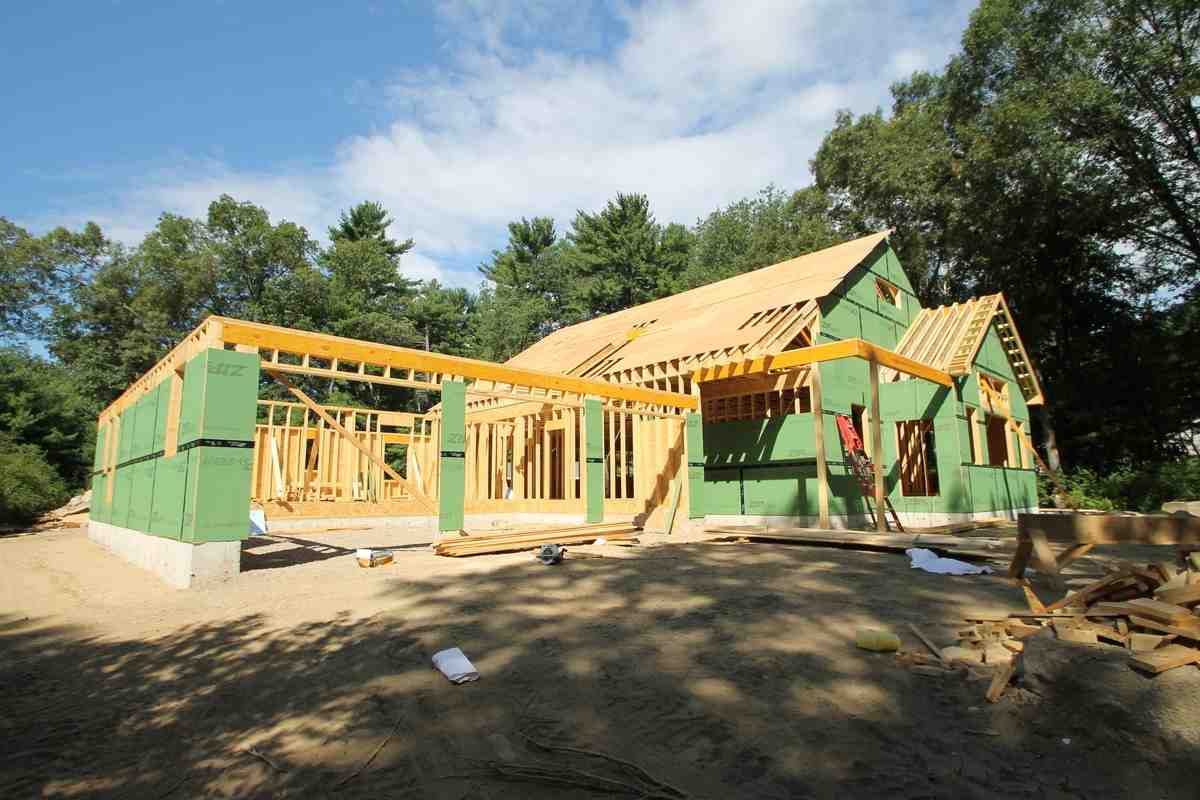
Once the foundation is set, it’s time for framing. This is where your house starts to look like a house. Framing involves:
Pro Tip: Visit the site during framing to ensure door and window placements match your design plans.
After framing, the next step is installing the mechanical systems. This includes:
Advice: Conduct a walk-through to confirm the placement of outlets, switches, and vents.
With the mechanical systems in place, it’s time for insulation and drywall. This step involves:
Fact: Proper insulation can significantly reduce your energy bills.
Now, your home is really starting to come together. Interior finishes include:
Tip: Choose finishes that not only look good but also fit your lifestyle and maintenance preferences.
The outside of your home is just as important. Exterior finishes involve:
Pro Tip: Opt for durable materials to reduce long-term maintenance costs.
Finally, a thorough clean-up is essential before you move in. This step includes:
Tip: Schedule a final walk-through with your builder to address any last-minute concerns.
With the construction process complete, your custom home is ready for the finishing touches.
Building a custom home is an exciting journey that transforms your unique vision into a reality. This process involves several key phases: the design phase, pre-construction, and construction. Let’s break down each step to understand how building a custom home works.
The design phase is where your dream home starts to take shape on paper. Here’s what happens:
Tip: Take your time during the design phase. Rushing can lead to miscommunications and costly changes later.
Before breaking ground, several important steps need to be completed:
Fact: Proper site preparation is crucial for a stable foundation and prevents future issues like flooding.
Now, the physical work begins. The construction phase is where your home starts to come to life:
Pro Tip: Schedule a final walk-through with your builder to address any last-minute concerns.
With these steps completed, your custom home is ready for the finishing touches. The process may seem lengthy and complex, but with careful planning and a clear understanding of each phase, your dream home will become a reality.
Building a custom home is exciting but comes with potential delays and challenges. Here are some common issues you might face:
Florida’s weather can be unpredictable. Hurricanes, heavy rains, and extreme heat can delay construction. For example, during hurricane season, work might halt for days or even weeks.
Tip: Plan for weather-related delays in your timeline. It’s better to overestimate and finish early than to be caught off guard.
Getting the necessary permits can be a lengthy process. Depending on your location, you might need multiple permits for zoning, building, plumbing, and electrical work. Some areas have strict regulations, especially if you’re building near water or in a gated community.
Fact: HOA rules can also impact your design and landscape choices, adding another layer of complexity to the permitting process.
Unique features like custom cabinetry, a home theater, or a recording studio require specialized skills. Finding professionals who can execute these jobs to your standards might take time.
Case Study: One homeowner’s custom-built wine cellar took an additional three months to complete because the specialist was overbooked.
Good builders, architects, and contractors are in high demand. You might find that the professionals you want to hire are booked months in advance. This can push back your start date significantly.
Statistic: Some custom home builders are booked 3 to 18 months out, so plan ahead.
Miscommunication between you and your builder can lead to delays and added costs. It’s crucial to have clear, detailed contracts and regular check-ins to ensure everyone is on the same page.
Quote: “Get a real estimate and check it twice and three times,” says H. Dale Contant, president of Atlanta Design & Build. This highlights the importance of detailed planning and communication.
Unexpected expenses are almost guaranteed. Whether it’s due to material shortages, changes in design, or unforeseen issues during construction, costs can add up quickly.
Fact: It’s wise to assume at least 50% more than the initial estimate for changes, finishes, and unexpected expenses.
Pro Tip: Always have a contingency budget to cover these unexpected costs and avoid financial stress.
Understanding these potential delays and challenges can help you prepare better and manage your expectations. Next, let’s dive into some frequently asked questions about custom home building.
Cost Comparison
Building a home costs around $150 per square foot on average. For a 2,000 square foot home, that’s about $300,000. Buying an existing home can be cheaper, often around $120 per square foot, depending on the market. Renovating is usually the least expensive at about $100 per square foot.
Location Impact
Location greatly affects costs. In competitive markets, land prices can be high, adding to the cost of building. For example, in places like Ann Arbor, tearing down an existing structure to build new can add to both time and cost.
Pros
Cons
Site Prep
This is the first step where the land is cleared, and any existing structures are removed. It’s crucial to check for easements and environmental regulations during this phase.
Foundation
Once the site is prepped, the foundation is laid. This includes setting up plumbing and electrical lines.
Framing
Framing involves building the skeleton of the house. Walls, floors, and roof structures are constructed during this stage.
Exterior and Infrastructure
This includes installing exterior walls, windows, doors, and the roof. Infrastructure like plumbing, electrical systems, and HVAC are also set up.
Interior Build-Out
Interior walls are insulated and drywalled. This is followed by installing flooring, cabinetry, and other interior finishes.
Finishing Touches
The final stage involves painting, installing light fixtures, and finalizing any last-minute details. This is also when landscaping and exterior finishing touches are completed.
Understanding these stages can help you better steer the custom home building process, ensuring you’re prepared for each step.
Building a custom home is a journey that transforms your dreams into a tangible reality. From the initial design phase to the final finishing touches, each step is carefully planned and executed to meet your specific needs and desires.
At Norman Builders, we pride ourselves on delivering exceptional craftsmanship and personalized service. Our team works closely with you to ensure every detail of your custom home aligns with your vision. From choosing the perfect lot to navigating the complexities of construction, we are with you every step of the way.
Summary
The process of building a custom home involves several key stages:
By understanding how does building a custom home work, you can better prepare for the journey ahead. Despite the challenges and potential delays, the end result is a home that is uniquely yours, crafted to your exact specifications.
Why Choose Norman Builders
When you choose Norman Builders, you’re not just hiring a contractor; you’re partnering with a team dedicated to making your dream home a reality. Our commitment to quality and attention to detail ensures that every project we undertake meets the highest standards.
Ready to start your custom home building journey? Contact us today to begin turning your vision into reality.
We specialize in high-quality home construction and remodeling services, delivering exceptional craftsmanship tailored to meet your vision and needs. Whether you’re planning a renovation, new construction, or a custom remodel, our experienced team is committed to exceeding expectations with precision, attention to detail, and reliable service.
Our service area includes the Merrimack Valley, North Shore, Seacoast, and Southern NH Areas. We take pride in the quality of our workmanship and our prompt professionalism.
Contact us today to bring your project to life!