

2nd level home additions are an effective way to expand your living space without sacrificing your yard. These vertical expansions can double your home’s square footage while maintaining the same footprint on your lot.
Key benefits of building up include:
Second-story additions work well for ranch homes, bungalows, and other single-story structures. The process involves removing the existing roof, building new walls and floor systems, and constructing a new roof. This approach lets you stay in your neighborhood while creating the space your family needs.
I’m Ryan Norman, founder of Norman Builders. Since 2007, I’ve helped families in the Merrimack Valley expand their homes with expertly crafted 2nd level home additions. My background in technology and construction management provides unique insights for managing complex renovations, changing single-story homes into spacious two-story havens.
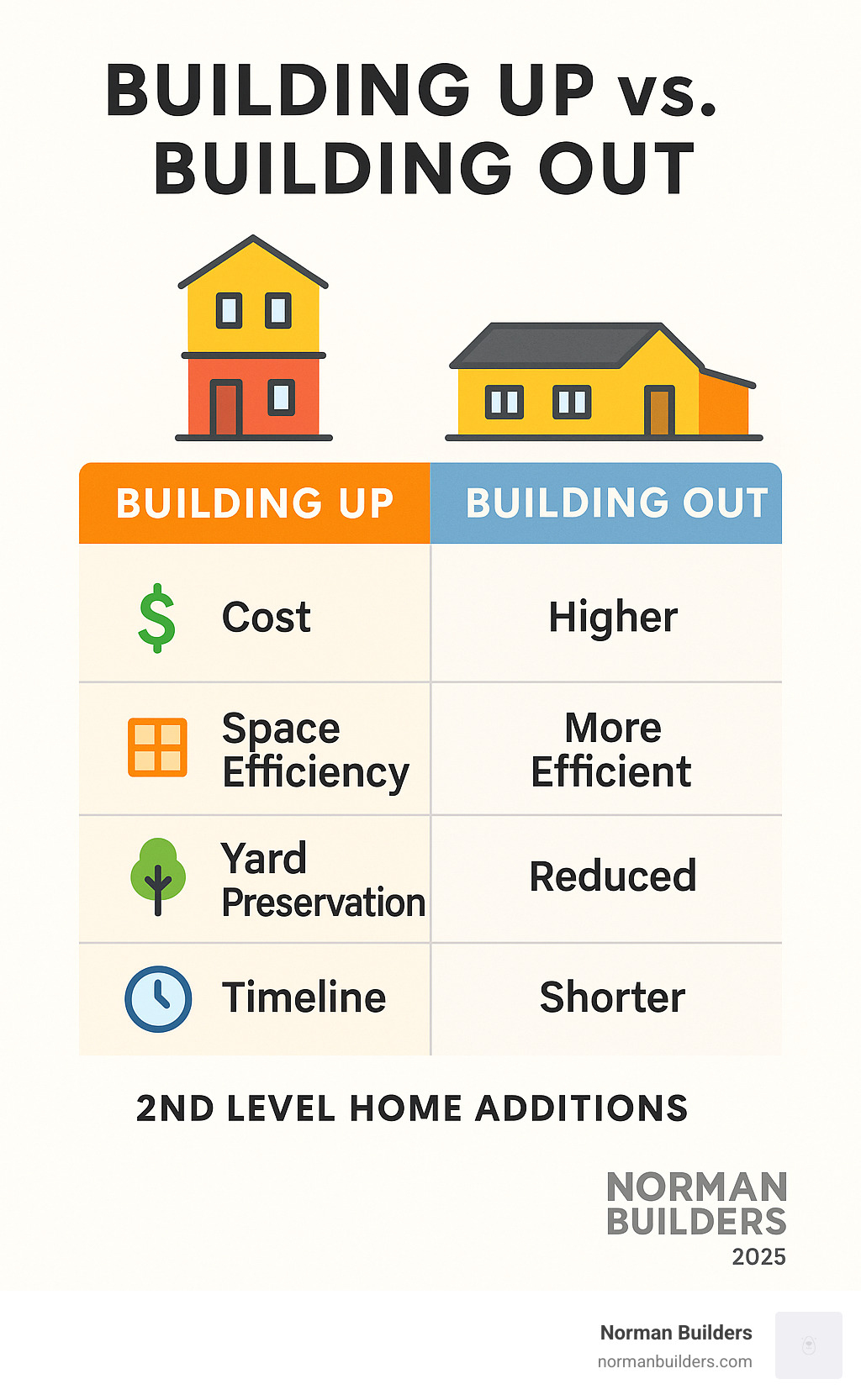
2nd level home additions terminology:
Not every home is suitable for a 2nd level home addition. Many older, well-built structures are excellent candidates, often featuring sturdier foundations and walls than modern homes. However, a professional assessment is non-negotiable.
Every project must begin with a thorough evaluation of your home’s structural integrity, foundation capacity, and local zoning regulations. It’s crucial to confirm what your local building department will allow before finalizing plans, as height restrictions and other rules can impact the design.
More info about our construction services
Your home’s foundation is critical when adding an entire second floor. A structural engineer must perform a complete assessment. This is not a job for guesswork. The engineer will analyze soil conditions, measure your footing size, and calculate the maximum weight your existing foundation can support.
Most single-story homes have ceiling joists that were never designed to become floor joists for a second story. They simply weren’t built for that load.
If your foundation needs strengthening, foundation reinforcement is a common and manageable solution. We may need to bolster existing footings or add new support systems, but it’s rarely a deal-breaker. The load-bearing walls on the first floor will also be assessed and reinforced as needed to support the new structure.
Each municipality has its own set of building codes and zoning requirements. Height restrictions are a primary concern, as most communities limit how tall a home can be. Since you’re building up, lot coverage limits usually work in your favor, and setback requirements (the distance from your house to property lines) typically remain unchanged.
The permit process involves multiple approvals, including permits for the main renovation, plumbing, and HVAC. If a project involves removing over 50% of the exterior walls, some municipalities classify it as new construction, which entails more stringent requirements. We plan carefully to avoid this when possible.
Our team handles all permit applications, navigating the specific requirements across Massachusetts and New Hampshire.
For a peek at how detailed these regulations can get, check out this example of local zoning by-laws from Vancouver.
Certain home styles are naturally better suited for vertical expansion. The goal is always to ensure the new addition looks like it was part of the original design.
Architectural compatibility is key to ensuring your expanded home looks intentional and beautiful. Popular home styles for second-story additions include bungalows, ranch homes, Cape Cod styles, and certain colonial designs.
Adding a second story is a significant investment that delivers impressive returns in living space, functionality, and home value. It’s important to have a clear understanding of the potential costs.
2nd level home additions typically range from $100 to $300 per square foot, though complex projects can be much higher. These cost ranges are based on average internet data and not actual costs for Norman Builders’ services, as every project is custom-quoted. A full second-story addition on an 800-1000 square foot home might start around $200,000 and can reach $500,000 or more, depending on complexity and finishes. Even a smaller master suite addition could range from $150,000 to $450,000.
We always recommend a contingency fund of 10-20% of your total project cost to cover unexpected issues that may arise during construction.
More info about home additions in Andover, MA
Understanding where your money goes is key. Major cost components include:
Interestingly, 2nd level home additions can be more cost-effective per square foot than ground-level additions because they build on the existing foundation.
For more general cost considerations, this resource might be helpful: General cost considerations.
Smart planning can help manage your budget without sacrificing quality. Here are some strategies:
Starting a 2nd level home addition can feel overwhelming, but our streamlined design-build approach simplifies the process. We guide you from initial vision to finished space with one trusted team.
The process begins with a detailed consultation to understand your needs, whether it’s a master suite, more bedrooms, or a home office. We then create a plan to transform your single-story home.
A 2nd level home addition is a major undertaking that involves removing your roof. This level of disruption makes it nearly impossible to live in the home during construction. We help you plan for temporary living arrangements to ensure your family’s safety and comfort.
Our team manages the entire project, from permits to final cleanup, so you don’t have to juggle multiple contractors. We handle the coordination, allowing you to focus on the change of your home.
More info about our design-build process
Successful projects are built on trust, communication, and realistic expectations. Here’s what makes the difference:
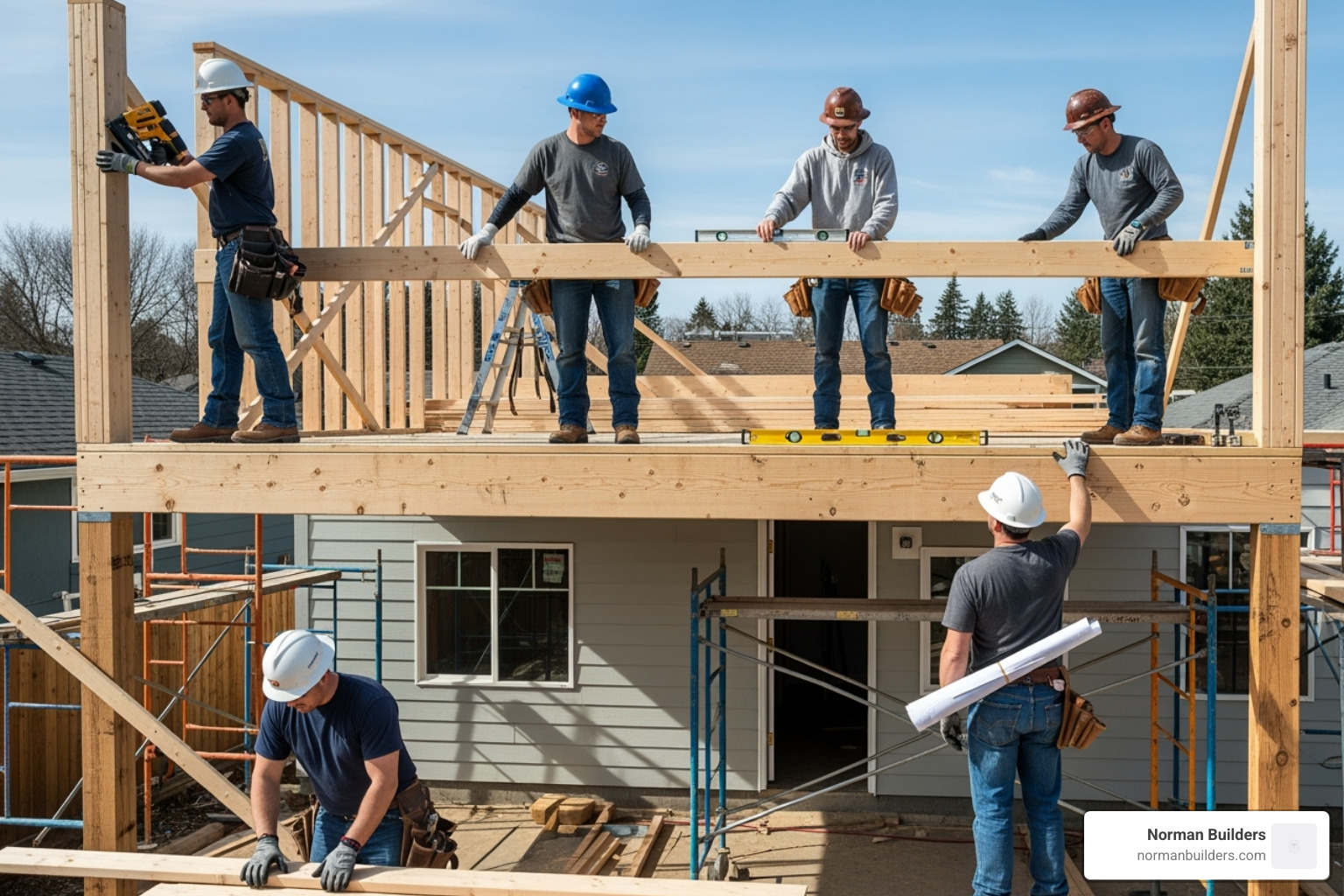
Project timelines vary based on scope and complexity, but here is a general roadmap:
Factors like weather, material availability, and the complexity of structural reinforcements can affect the schedule. Custom 2nd level home additions take time because they are custom specifically to your home and needs.
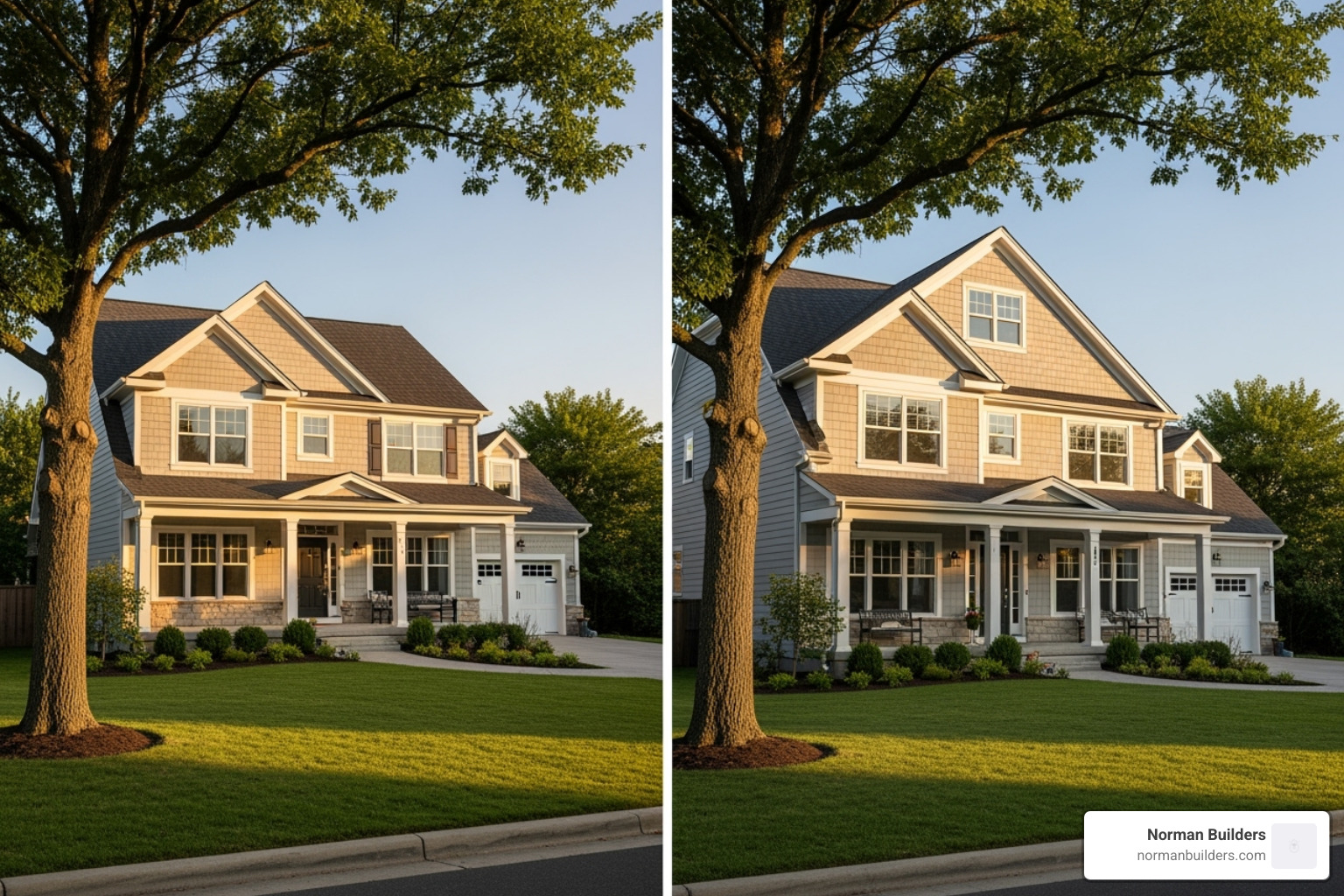
The goal of a successful 2nd level home addition is to create space that feels like it was always part of the original home. This seamless integration requires careful attention to architectural detail.
We achieve this by matching existing exterior materials like brick, siding, or stucco. Sometimes, updating the entire exterior is the best way to create a cohesive look and improve curb appeal. The roofline is also critical; a well-designed roof flows naturally from the original structure. We also ensure new windows complement the existing ones in style and proportion.
Inside, the focus is on creating a natural flow. The staircase is a key design element, placed to improve the home’s layout and sightlines rather than disrupt them.
Your new second story creates private, quiet spaces away from the main living areas. Popular design ideas include:
Properly integrating your home’s systems is crucial for comfort and efficiency in 2nd level home additions.
We also focus on energy efficiency through proper insulation in walls, floors, and ceilings, and we take steps to minimize sound transmission between floors. The result is an addition that not only looks right but functions perfectly as part of your expanded home.
After completing 2nd level home additions for over 15 years, we’ve answered nearly every question imaginable. Here are the most common ones.
A 2nd level home addition is one of the smartest investments you can make in your property. The value comes from several sources:
While return on investment varies by location and market conditions, building up is often a financially sound decision compared to the high costs of moving to a larger home.
We always give the same honest answer: it’s rarely practical or safe to stay in your home during a full second-story addition.
We have to remove your entire roof, leaving your home exposed to the elements. The site will be noisy, dusty, and filled with heavy machinery. For the safety of your family and the efficiency of our crew, we strongly recommend planning for temporary housing during the main construction phase.
For partial additions, such as building over a garage, it may be possible to remain in the home, but you should still expect significant disruption to your daily life.
It’s important to be aware of the potential challenges:
Your family deserves a home that fits your needs, and a 2nd level home addition can provide the space you’ve been looking for. By building up, you can transform your living situation while staying in the community you love.
The benefits are clear: you maximize living space without losing your yard, increase your home’s value, and preserve the outdoor areas you enjoy. More importantly, the new space improves your daily life by giving everyone room to breathe, whether it’s through new bedrooms, a home office, or a master suite retreat.
Professional planning is essential for these complex projects. From foundation assessments to integrating new HVAC and electrical systems, every detail matters for your family’s safety and your investment’s success.
At Norman Builders, we’ve guided families through 2nd level home additions since 2007. Our design-build approach ensures you work with one trusted team from start to finish, making the process as smooth as possible.
Ready to explore the possibilities for your home? We’d love to discuss your vision.
Transform your home with a custom addition
Please note: Our services are exclusively available in Massachusetts, specifically in Andover, MA, the North Shore, and New Hampshire, covering the Seacoast and Southern NH regions.

We specialize in high-quality home construction and remodeling services, delivering exceptional craftsmanship tailored to meet your vision and needs. Whether you’re planning a renovation, new construction, or a custom remodel, our experienced team is committed to exceeding expectations with precision, attention to detail, and reliable service.
Our service area includes the Merrimack Valley, North Shore, Seacoast, and Southern NH Areas. We take pride in the quality of our workmanship and our prompt professionalism.
Contact us today to bring your project to life!