

The whole house renovation checklist can be your best friend when diving into the chaos of renovating an entire home. Whether it’s a complete overhaul or a focused upgrade, starting with a solid plan is crucial. Here’s a quick glance:
My name is Ryan Norman, and during my years leading Norman Builders, I’ve seen the transformative power of a well-planned renovation. Leveraging my background in technology and construction, I’ve developed and adhered to a detailed whole house renovation checklist to help clients achieve their dream homes with less stress and more satisfaction.

Essential whole house renovation checklist terms:
– how long does a whole house renovation take
– home renovation costs
– interior home remodeling
Before swinging a hammer or tearing down walls, the first step in any successful renovation is meticulous planning and design. This stage sets the foundation for a smooth renovation journey and involves several key elements: creating a preliminary design, estimating the budget, and securing necessary permits.
Start by drafting your renovation ideas. You can sketch these on paper or use design software to visualize your concepts. This initial design phase is crucial for communicating your vision to architects and contractors.
Consider what changes you want in your home. Are you looking to add more space, improve functionality, or update the aesthetic? Use online platforms like Pinterest to gather inspiration and identify styles that resonate with you. This will help you create a cohesive design plan.
Budgeting is a critical part of the planning process. It ensures that your project stays financially feasible. Begin by estimating the costs for materials, labor, and any additional expenses, such as permits or temporary housing if needed.
Tip: Always include a buffer of 10-20% in your budget to cover unexpected expenses. According to recent data, the median annual spending on home improvements was $24,000 in 2023. However, a significant reduction in planned spending is anticipated for 2024, with a predicted budget of $15,000. This trend suggests homeowners are becoming more budget-conscious.
Before starting any renovation work, securing the right permits is essential. This process involves understanding local regulations and obtaining city permits for your project. Permits ensure that your renovation complies with building codes and safety standards.
Work closely with your contractor or a permit expediting service to streamline this process. They can help you gather necessary documents, such as site plans and floor elevations, and steer any bureaucratic problems.
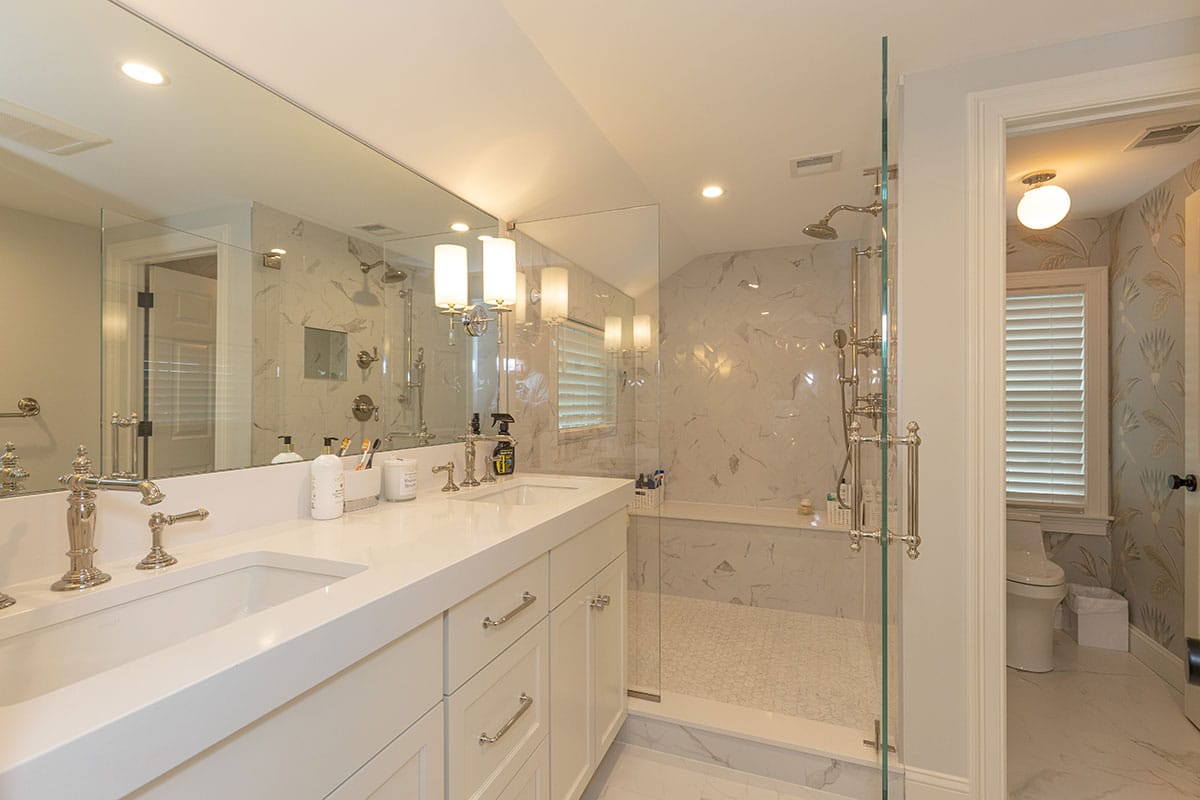
By laying a strong groundwork with a well-thought-out plan, realistic budget, and proper permits, you’re setting your renovation up for success. Next, we’ll dive into the structural and major work phase, where your vision begins to take physical form.
Once the planning and design phase is complete, it’s time to roll up your sleeves and get into the structural and major work of your whole house renovation. This stage is where your plans start to take shape and involves site preparation, demolition, structural repairs, and framing.
Site Preparation: Before any demolition begins, it’s crucial to prepare your site properly. This includes planning how construction teams will access the renovation area. Consider if any fences or doorways need to be temporarily removed or widened to accommodate large machinery and tools.
Demolition Work: With the site ready, you can move on to demolition. This can range from removing old cabinetry and tearing down walls to gutting entire sections of the house. Ensure that your contractors have a clear demolition plan to follow, which outlines what needs to be removed and how waste will be disposed of.
Waste Disposal: Effective waste management is critical during demolition. Most contractors will handle this as part of their service, but it’s important to confirm this beforehand. Proper disposal ensures that your site remains safe and clean, preventing any potential hazards.
Foundation Inspection: After demolition, inspect the foundation for any necessary repairs. This step is crucial for the stability and safety of your home. If your home is older or shows signs of disrepair, consider reinforcing the foundation with additional underpinning or piling.
Framing New Structures: With the foundation solid, you can begin framing new structures. This involves building the skeleton of your renovation, including new walls and doorways. Framing is where your new layout starts to materialize, giving you a glimpse of the final product.
Support Beams: During framing, ensure that support beams are correctly installed. These beams are vital for maintaining the structural integrity of your home, especially if you’re removing load-bearing walls. Work with a certified contractor to ensure that all beams are placed and secured according to your renovation plan.

By focusing on thorough site preparation, careful demolition, and precise structural repairs, you’re setting a solid foundation for the rest of your renovation. We’ll dive into the critical updates needed for your home’s electrical, plumbing, and HVAC systems.
Once the structural work is complete, it’s time to focus on the electrical, plumbing, and HVAC updates. These systems are the backbone of your home’s functionality and comfort, and updating them is crucial for a successful whole house renovation.
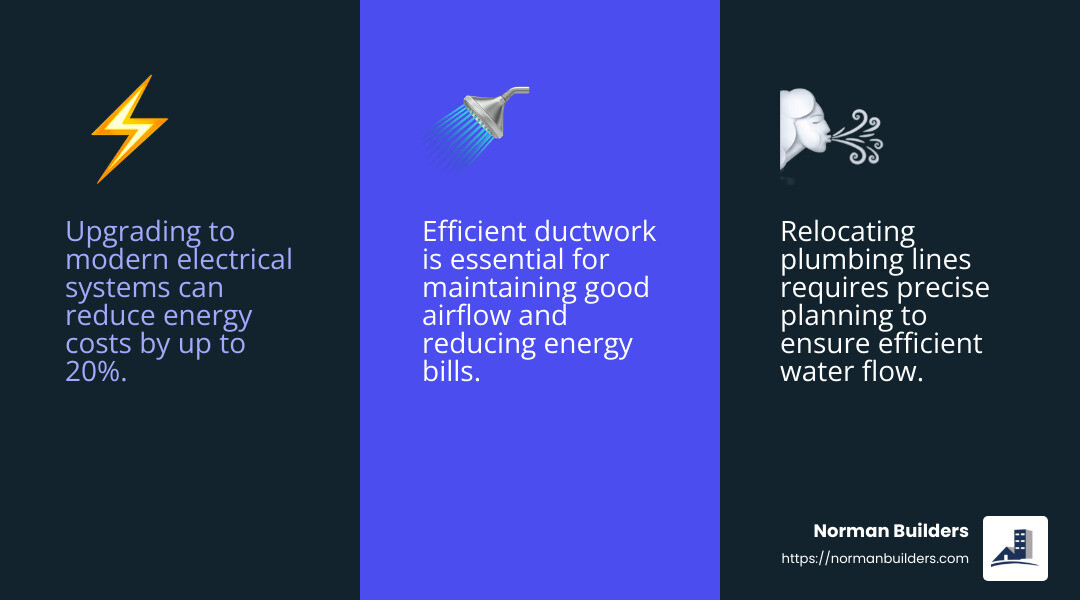
New Wiring: Start by assessing your home’s electrical needs. This often involves replacing outdated wiring to meet modern standards and accommodate new appliances. Safety is a priority here, so ensure that all electrical work is done by a licensed electrician. This includes installing new outlets, light fixtures, and possibly upgrading your electrical panel to handle increased loads.
Plumbing Relocation: If your renovation involves moving kitchens or bathrooms, you’ll likely need to relocate plumbing lines. This can be a complex task, requiring precise planning to ensure proper water flow and drainage. Work with a professional plumber to map out the new layout and install pipes, ensuring everything is up to code.
Ductwork: As part of your HVAC updates, consider whether your existing ductwork needs repairs or a complete overhaul. Efficient ductwork is essential for good airflow and energy efficiency. Poorly designed or leaky ducts can lead to uneven heating and cooling, increasing your energy bills.
HVAC Installation: If your HVAC system is outdated, now is the time to replace it. Modern systems are more energy-efficient and can improve your home’s comfort significantly. Choose a system that fits your home’s size and your climate needs. Professional installation is crucial to ensure the system operates correctly and efficiently.
By upgrading these essential systems, you’re not only improving your home’s safety and efficiency but also enhancing its overall value. With these updates in place, your home is ready for the next stage: insulation and drywall installation.
Once your home’s essential systems are updated, it’s time to focus on insulation and drywall installation. These steps are key to making your home energy-efficient and comfortable.
Attic Insulation: A well-insulated attic acts as a barrier against heat loss in winter and heat gain in summer. Proper attic insulation can significantly reduce your energy bills. Choose materials like fiberglass or spray foam, which are effective and long-lasting.
Wall Insulation: Insulating your walls is another crucial step. It helps maintain a consistent indoor temperature and reduces noise from outside. There are various options, such as blown-in cellulose or rigid foam panels. Your choice will depend on your budget and insulation needs.
Drywall Hanging: After insulation, the next step is hanging drywall. This involves cutting the drywall panels to fit the walls and ceilings and securing them in place. It’s important to ensure that the panels are level and properly aligned.
Taping and Mudding: Once the drywall is up, the seams between panels need to be taped and mudded. This process involves applying joint compound (mud) over the seams and smoothing it out. After the mud dries, it is sanded down for a smooth finish. This step is crucial for creating a seamless look, ready for painting or other wall finishes.
With insulation and drywall complete, your home is now more comfortable and ready for the next stage: interior finishing.
Once your walls are insulated and drywalled, it’s time to bring your home’s interior to life through painting and flooring. These finishing touches add personality and style, making the space truly yours.
Wall Finishes: Start with painting your walls. Choose colors that reflect your style and complement the rest of your home. Many contractors recommend painting before installing flooring to prevent accidental spills or splatters on your new surfaces. Whether you opt for a bold accent wall or a soothing neutral palette, this step is where your vision begins to materialize.
Flooring Installation: Next, install your flooring. The type of flooring you choose—be it hardwood, tile, or carpet—can define the feel of each room. Some contractors prefer to install flooring after painting to avoid dust and debris from damaging the finish. Discuss with your builder to decide the best order for your project. This step ties the entire look together, adding comfort and elegance to your newly remodeled home.
With painting and flooring complete, it’s time to add functionality with cabinet and fixture installation.
Kitchen Cabinets: Installing kitchen cabinets is a transformative step in your renovation. Cabinets define the kitchen layout and provide essential storage. Choose styles and finishes that match your design vision, whether it’s sleek modern or classic traditional. Well-placed cabinets not only improve aesthetics but also maximize functionality.
Bathroom Fixtures: In the bathroom, fixtures such as vanities, sinks, and toilets are installed. These elements are crucial for daily use and should be both durable and stylish. Consider fixtures that are water-efficient to save on utility bills and contribute to a sustainable home.
These interior finishing steps are where your home starts to feel complete. With each addition, from the paint on the walls to the cabinets in the kitchen, your space becomes more personalized and ready for the final touches.
The journey of changing your house is almost complete. Now, it’s time to focus on the final touches and clean-up—the steps that make your home not just livable, but lovable.
With cabinets and fixtures in place, it’s time to equip your home with essential appliances. This is when your kitchen and bathrooms truly become functional spaces.
Kitchen Appliances: Start by installing major kitchen appliances like refrigerators, stoves, and dishwashers. These are the workhorses of your kitchen, so choose models that match your needs and aesthetic preferences. Ensure your appliances are energy-efficient to help reduce your utility bills.
Bathroom Appliances: In the bathroom, install any necessary appliances like a washer and dryer if your space allows. These installations complete the change of your bathroom into a practical and efficient area.
Professional installation is crucial for both safety and performance. An experienced contractor ensures that everything is hooked up correctly, avoiding potential hazards or future repairs.
After all appliances are installed, perform a final walkthrough. This step ensures that every detail meets your expectations and that your new home is ready for everyday life.
Punch List: Create a punch list, which is a checklist of any minor issues or last-minute adjustments needed. This could include paint touch-ups, ensuring doors open smoothly, or fixing any small defects. Your contractor will address these items promptly.
Contractor Walkthrough: Conduct a walkthrough with your contractor. This is your opportunity to ask questions and ensure everything is functioning as intended. A good contractor will be eager to demonstrate the quality of their work.
Deep Clean: Finally, a thorough clean-up is essential. Construction can leave dust and debris, so ensure every corner is spotless. This final clean-up allows you to move into a fresh and inviting space.
These final touches and clean-up steps complete your whole house renovation checklist, turning your house into a home that reflects your style and meets your needs.
When tackling a whole house renovation, following a structured order ensures efficiency and minimizes disruptions. Here’s a simplified timeline to guide you:
By following this sequence, you ensure that each phase builds upon the last, reducing the risk of costly setbacks.
Budgeting for a renovation can be daunting, but with careful planning, you can keep costs under control. Here are some tips:
By planning carefully and monitoring expenses, you can manage your renovation budget effectively.
Whether $100,000 is enough for a whole house renovation depends on several factors, including the size of your home, the scope of the project, and your location. Here’s what to consider:
Careful planning and prioritization can help you maximize your budget, but it’s crucial to get detailed estimates and adjust your expectations accordingly.
Renovating your entire home is a significant undertaking, but with the right approach, it can be a rewarding experience that transforms your living space into your dream home. By following a structured whole house renovation checklist, you can steer the complexity of the process with confidence and clarity.
At Norman Builders, we pride ourselves on delivering exceptional craftsmanship and personalized service to homeowners in the Merrimack Valley, North Shore, Seacoast, and Southern NH areas. Our team is dedicated to guiding you through every step of your renovation, from initial planning and design to the final walkthrough. We understand the importance of a well-planned renovation and are here to ensure your project runs smoothly and efficiently.
Here are a few final tips to ensure your renovation is a success:
For more information on how we can help with your renovation project, visit our Whole House Renovations page.
By choosing Norman Builders, you’re investing not just in your home, but in a partnership dedicated to creating spaces that perfectly reflect your style and needs. Let us help you turn your renovation dreams into reality.
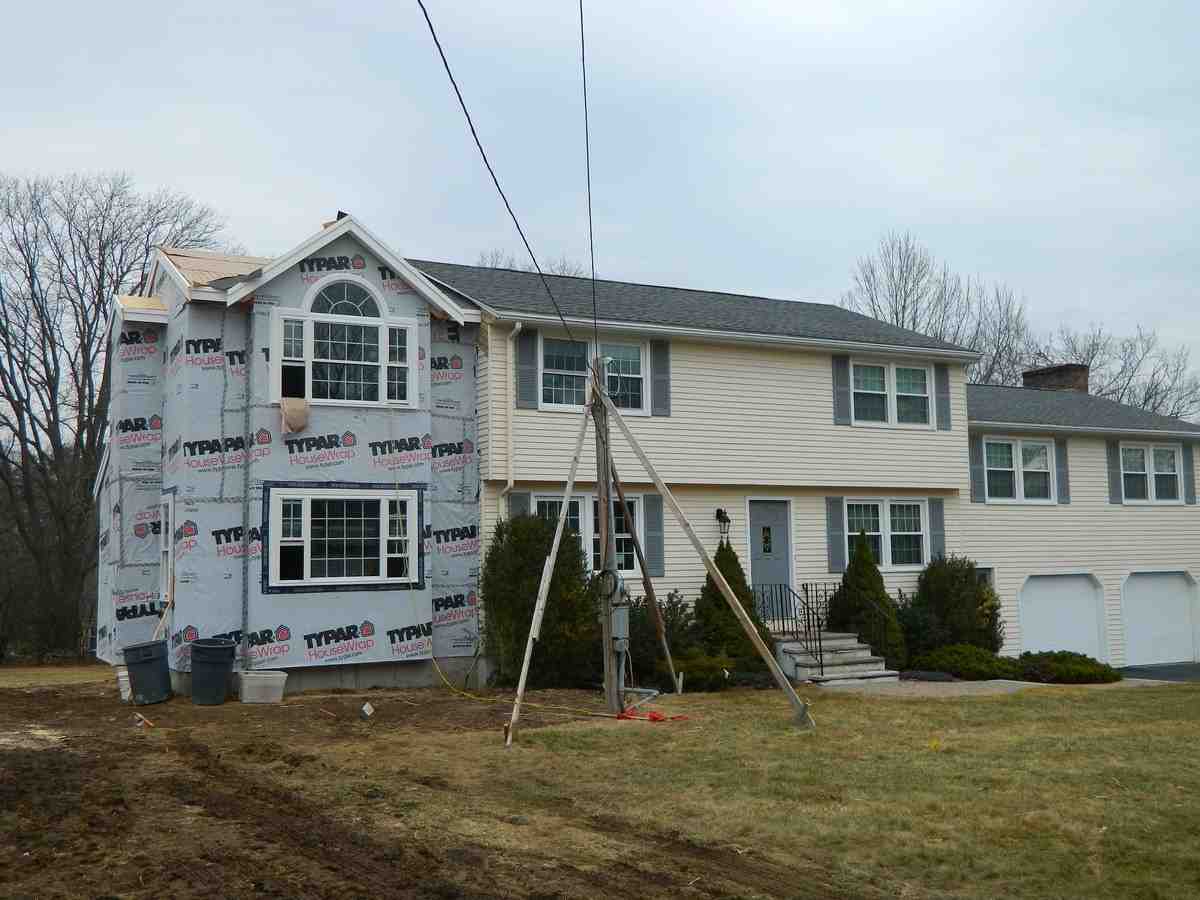
We specialize in high-quality home construction and remodeling services, delivering exceptional craftsmanship tailored to meet your vision and needs. Whether you’re planning a renovation, new construction, or a custom remodel, our experienced team is committed to exceeding expectations with precision, attention to detail, and reliable service.
Our service area includes the Merrimack Valley, North Shore, Seacoast, and Southern NH Areas. We take pride in the quality of our workmanship and our prompt professionalism.
Contact us today to bring your project to life!